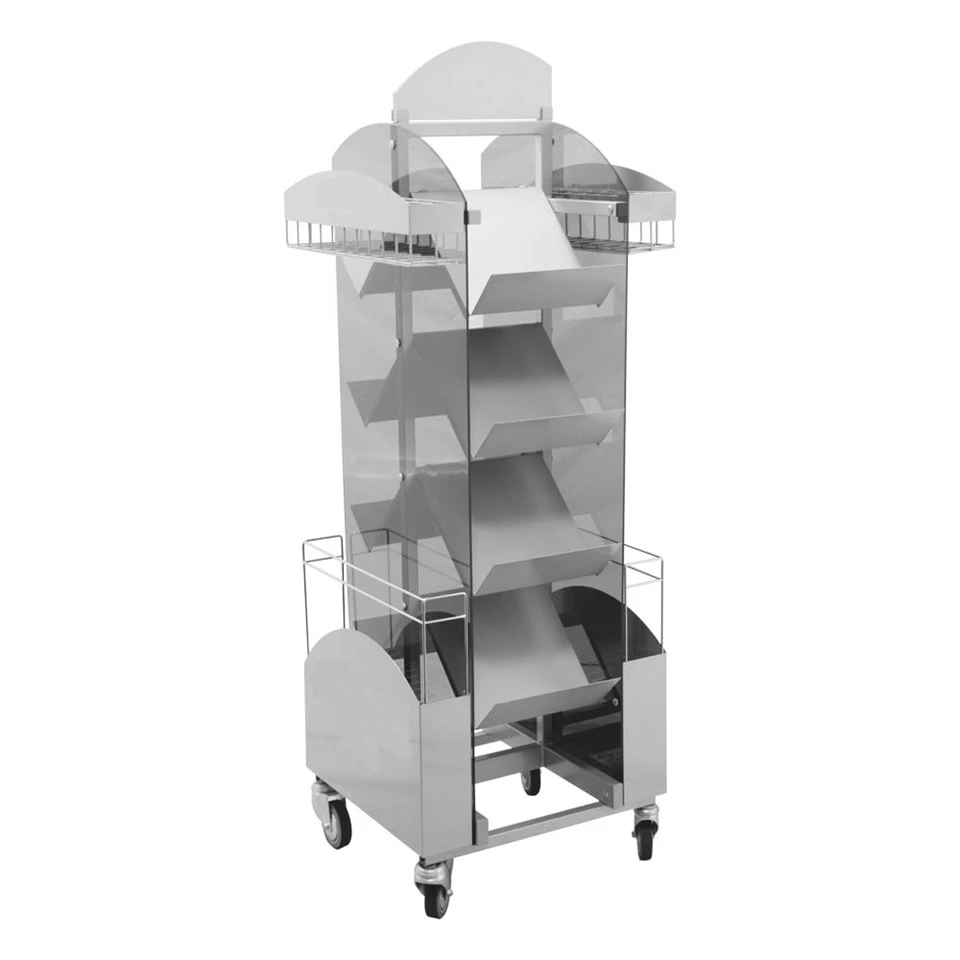
Q: What is a display standee?
A: A standee is a large, self-standing advertising display. Often used to promote movies, products or events, or increasingly for point-of-sale advertising. Popular standees often are produced in the form of a life-size cut-out figure of a character or mascot.
Q: What materials are display stands?
A: These display stand material are made from all types of sturdy materials such as stainless steel, white acrylic and hardware, metal wire, wood, cardboard, and many more. The display stand material come with powder-coated surface treatments and can be completely customized in terms of designs.
Q: How do you assemble a display stand?
A: How to Assemble a Pop Up Display Stand
Step 1: Pull Out Concertina Frame. ...
Step 2: Attach Magnetic Bars. ...
Step 3: Unroll Graphics. ...
Step 4: Hook Graphics on Frame. ...
Step 5: Smooth The Graphics Onto Magnetic Bars. ...
Step 6: Repeat Process, Lining Up Graphics.
Q: What is the best material for a display?
A: Cardboard or paper displays are practical and economical for short-term promotions, while more durable substances like acrylic, metal, and wood are better for long-term displays.
Q: What do you call a display stand?
A: Struts, cardboard display stands, cardboard stands or display stands are used as a display in a retail setting. The display strut most commonly holds business collateral, infographic, sign-in sheets, sale signs and special events.
Q: What do you put on a display shelf?
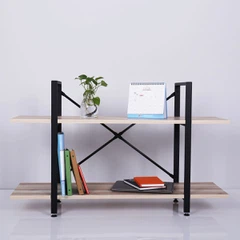
A: You may want to include books, boxes, vases, flowers, picture frames, plants and decorative objects to name but a few. ' Be sure to select a variety of shapes, textures and sizes to bring rhythm and interest to the display.
Q: How high should a display shelf be?
A: About four to five feet
What is the best height for display shelves? Display shelves are a visible representation of balance and design. Strikingly similar to artwork, these shelves ideally should be about four to five feet from the floor — eye level for an average person.
Q: How deep should display shelves be?
A: Although generally, 12-15 inches is suitable for any environment, if the item you are going to put is larger than these dimensions, it may not fit. Then you will need to use a deeper shelf. For example, bookshelves are mostly 10 to 12 inches, while standard furniture shelves are 16 to 20 inches.
Q: How far apart should display shelves be?
A: The rule of thumb for spacing is 12 inches between each shelf but bump that up to 15 or 18 inches and you enhance that sense of exposure and accessibility.
Q: How do you light a display shelf?
A: The simplest option is to front light your shelves with a Contour LED strip. This requires a simple down stand on the shelf. Sometimes you can use bare LED tape on a heat sink however using an aluminium profile with an opal cover will prevent any dotting effect and is usually the best solution.
Q: How high to hang a display shelf?
A: Additionally, as far as height from the ground goes, much like artwork, shelves should be hung near eye level or about four to five feet from the floor.
Q: What is the depth of display shelves?
A: Room Dimensions Matter
For smaller or more confined spaces, 4-7 inch shelves would be apt, ensuring the room doesn't feel cluttered. Spacious rooms with larger walls and wide walkways may benefit from 8-11 inch shelves, providing a balanced look and maximizing storage.
Q: How do you style a display shelf?
A: Easy Bookshelf Decor
Keep a clean look by choosing a one-color or tone-on-tone scheme for vases and figurines, and make sure to mix up shapes. Every so often, step back to assess the overall balance of your arrangement. Place items off-center, or try larger or smaller ones until you like what you see.
Q: What is the best color for display shelves?
A: White: White is a well-known decision for store racks as it summons a feeling of neatness, effortlessness, and innovation. White racks give a perfect background that permits items to stick out, particularly colorful and energetic things.
Q: What is the purpose of display shelves?
A: Shelf displays are ingeniously designed to hold multiple products within a compact space, allowing for a neat presentation of various items. This is particularly beneficial for products packaged in boxes or cards, providing ample space to prevent damage and ensuring that customers can view the product from all angles.
Q: What wood is used for display shelving?
A: For modern decor, Alder, Walnut, Cherry, and White Oak are popular options. For a more classic look, try Maple or Mahogany.
Q: How do you arrange a display shelf?
A: The items you're displaying probably come in a wide variety of sizes, colours, shapes, and textures. Try to place them so that similar items aren't cluttered together on one side of the shelf. Take your largest items and spread them out evenly across your shelves, both horizontally and vertically.
Q: What to put on floating shelves in a living room?
A: Living room floating shelves are less about functional storage, and more about displaying decorative items that represent who you are. Curate some of your favorite books—novels, yes, but art books also make a stylish statement. Stack a few on each shelf and use them to elevate decorative bowls, vases or candle holders.
Q: How do you organize a display shelf?
A: Try not to lean too heavily on one size category. Each cube's smattering of different shapes and sizes is the key to an attractively decorated shelf. But here's the catch, and we cannot stress this enough: organization is paramount. Group similar items together, keep things tidy, and strive for a clean, coherent look.
Q: What do you put on a display shelf?
A: You may want to include books, boxes, vases, flowers, picture frames, plants and decorative objects to name but a few. ' Be sure to select a variety of shapes, textures and sizes to bring rhythm and interest to the display.