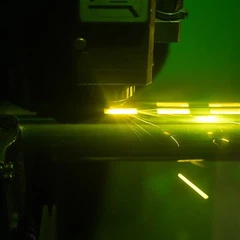
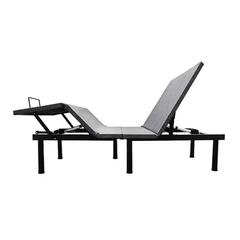
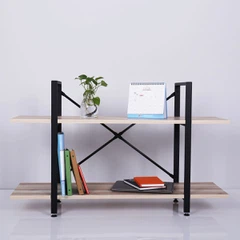
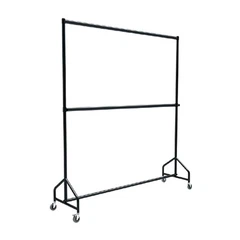
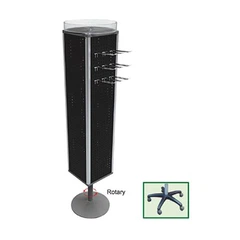
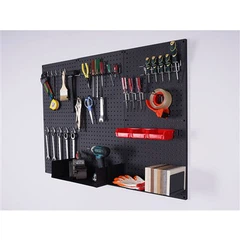
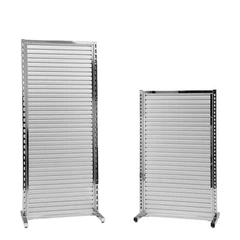
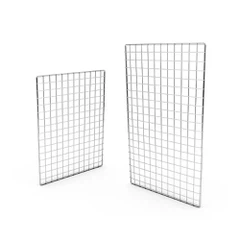
As professional retail display manufacturers, we offer a comprehensive one-stop service from our advanced facility. Our core capabilities include precision laser cutting, welding, bending, stamping, and high-quality powder coating. We specialize in turning complex designs into durable retail display fixtures that meet international standards. By managing the full production cycle, we ensure cost-efficiency and consistent quality for global buyers. Partner with custom retail display manufacturers who prioritize your timeline and vision, transforming raw metal into high-performance store solutions.

Why Choose Us

Our Product

Display rails, slatted panel system, slotted upright post system, mesh panel system, pegboard system, display tables, and furniture.


Our service

BBEST offers a reliable store fixtures supply chain in order to provide our customers a sound international procurement experience. Our sub-contractors have worked with us for many years, and are strictly qualified in terms of quality, delivery time, price and service.

Punctual Delivery

Sufficient storage space to keep 70% regular items in stock.

Ongoing Progress

Regular R&D meeting to make our design better and better.


What is Metal Fabrication?


Metal fabrication is often used to create metal parts for machinery or buildings. As we all know, the metal parts for machinery remain in demand. Therefore, metal fabrication is the process that is used by most industries.


laser cut metal parts


Several Types of Metal Fabrication?

Welding
One of the most common types of metal fabrication is welding. Welding is a process in which two pieces of metal are joined together by heating them to a high temperature and then cooling them so that they fuse together.


Sheet Metal Fabrication
Another common type of metal fabrication is sheet metal fabrication. Sheet metal is a thin piece of metal that can be bent or cut into different shapes.


Casting
Casting is the third most common type of metal fabrication method. Casting is a process in which molten metal is poured into a mold and then allowed to cool and harden. Casting is often used to create complex shapes that would be difficult to create using other methods.


Technology Used For Metal Fabrication


CAD software: Computer-aided design (CAD) software plays a significant role in the design of metal fabrication projects. Engineers use CAD software to develop designs, which can then be used by a fabrication company in the fabrication process. This software system allows for the production of 3D models as well as quick updates and changes to the design. CAD software also facilitates easy translations to programming language for programming fabrication machinery. Computer-aided design has made parts much easier to fine-tune, and it allows engineers to figure out crucial information instantaneously, including information on spots that may be structurally weak.


Automation: Automation has revolutionized the fabrication process in recent years. Fabrication machinery is increasingly being produced with programming capabilities, allowing the machinery to automatically complete projects to specifications with minimal human involvement. This allows for round-the-clock work, as well as improved reproducibility and precision. Automated tools are available for a wide range of processes, including cutting, welding, folding and various machining processes.


Machinery: Machinery solutions are also improving over time. Laser technology is being used in cutting processes, which allows for faster cutting through thicker materials. Other technologies, including plasma cutting and waterjet cutting, are also increasingly available. These methods are valuable for a range of different project and material types.


Some Benefits Of Metal Fabrication

Metal Fabrications Are Strong And Durable
This is because metal is a strong material that is not easily damaged. When properly cared for, metal fabrications can last for many years without needing to be replaced. This makes them an excellent choice for projects that require long-term durability.


Metal Fabrication Is Easy To Customize
There are many projects that require some sort of customized fabrication. Now, metal fabrications can be easily customized to meet the specific needs of each project.

Metal Fabrication Is Versatile

Metal can be used for a wide variety of big and small projects. From simple tasks like repairs to more complex projects like construction, metal fabrication can be used for. So, this makes them a valuable asset for any business or individual.

It Is an Affordable Option

While the initial investment on waterjet cutting machine may be higher than other materials, metal fabrications are built to last. This means that they will save you money in the long run.

Easy To Maintain

Metal fabrications are also relatively easy to maintain. With proper care, metal fabrications can last for many years. Additionally, metal fabrications are not susceptible to rust or corrosion, making them an ideal choice for use in outdoor applications.


Applications of Metal Fabrication


Construction: As a sort of metal fabrication itself, steel and steel-fabricated goods are preferred by the majority of architects and engineers for their projects. The essential framework for buildings, bridges, warehouses, and numerous mega structures is made with the steel beams, girders, ladders, handrails, and platforms that metal fabricators produce. It would be impossible to envision the construction sector without metal fabrication.


Aerospace: Metal fabrication is utilized for aircraft, from simple military planes to complex commercial planes. This is another sector that could not exist without metal fabrication.


Energy: Metal fabrication is also utilized in the energy industry, which includes businesses that produce electricity from the sun, wind, nuclear sources, and oil and gas. Oil and gas wells and platforms, pipelines, electrical power turbine parts, wind turbines, transmission towers, electromagnets, transformer cores, and electromagnetic shields are a few of the goods used in these sectors. Metal fabrication is used in the production of each of these items.


Mining: Steel is a necessary component of the mining industry since so many of the tools, ranging from simple shovels and pickaxes to heavy-duty equipment like pumps and bulldozers require steel in their construction. Ironically, steel may also be considered a byproduct of the mining industry since steel could not exist without the metals required to produce it.


Shipbuilding: Metal fabrication items are extensively used in various equipment by the shipbuilding sector. Some main industry items are steel flooring, grating, ladders, steel sheets for hulls, conveyance tubing, stairs, and platforms.


Military Applications: The military industry depends on metal fabrication for items ranging from ammunition, to body armor, to subs and aircraft.


Steps In Metal Fabrication
laser cut metal parts
pipe laser cut
Metal Fabrication Works
tube bending

Designing
During the design stage, an item's design is reviewed and adjusted as needed for manufacturing. This may involve either a general design or a custom design created by a metal fabricator. For custom designs, this stage often involves working closely with the customer to meet specific requirements, with the fabrication service provider contributing their expertise to unique projects. The manufacturer's design team uses CAD (computer-aided design) software to develop designs, collaborating with the customer to define project needs, manufacturing strategies, and areas for improvement. The designer and fabricator must work together to resolve any discrepancies between the original design and the fabrication methods, a process known as steel detailing.


Prototyping
The next stage in the process is typically prototyping, though it is not required for all projects. Prototyping is particularly important for custom fabrications, providing the client with a preview of the finished product. During this stage, a quick prototype or sample is created using methods such as rapid sheet metal prototyping or 3D printing, which builds the item by applying layers of various materials, including metals. The prototype is then evaluated to assess its viability in relation to the final design. Based on this evaluation, the customer and design team can decide whether any adjustments are needed before proceeding to the next manufacturing stage.


Sheet Metal Prototyping
Sheet metal prototyping is crucial for the successful development of many metal products. Skipping this important step during a large production run can lead to significant adjustments, material losses, and time delays, potentially costing tens of thousands of dollars even on smaller projects. To prevent substantial expenses later, high-quality steel fabrication depends on thorough testing and adjustments from the design stage through manufacturing. Additionally, sheet metal prototyping allows businesses to visualize and better understand the product they are creating.


Rapid Prototyping
Rapid prototyping, facilitated by 3D computer-aided design (CAD), involves the quick production of a physical part, model, or assembly. Typically, this is achieved through additive manufacturing, also known as 3D printing. The advantages of rapid prototyping include accelerated new product development by allowing early confirmation of an item’s fit, form, and function. This early validation helps ensure that the final product meets both technical requirements and business objectives.


Programming
Once the product’s CAD design is finalized, it is converted into programming for use with computer-controlled production devices. This programming is essential for operating automated equipment such as cutting, punching, and turning machines. This step is specifically relevant for metal fabricators that utilize automated metal fabrication equipment.


Fabrication
Once programming is complete, fabrication can commence. The time required to produce a part depends on its complexity, the procedures involved, and the workload of the machine shop. The fabrication process may include several steps, such as cutting, punching, folding, machining, welding, and more, depending on the specific item being created.


Finishing
After the object is created, the fabrication company may perform finishing operations. This often involves smoothing surfaces and edges, as well as applying various coatings, such as powder coating.


Assembly
Some fabrication companies also offer assembly services, including electrical connections and welding.


Considerations For Steel In Metal Fabrication

Type of Material

Steel comes in many varieties, and slight adjustments in the metallurgical composition of an iron and carbon alloy can significantly alter its tensile strength, flexibility, and hardness. Purchasing steel from a reputable supplier ensures that these key properties meet high standards. Reliable suppliers provide steel made to precise specifications tailored for its intended use. For instance, carbon steel, valued for its hardness, is often used for barriers, whereas welding applications require steel with lower elasticity. Working with an established supplier helps ensure that the steel's properties align with the specific requirements of your project.

Finishing

Despite the binding of carbon atoms to iron in a steel alloy, the risk of oxidation remains, necessitating protective measures. Steel barriers, for example, can be coated in various ways. Powder coating not only enhances appearance but also offers protection, while hot zinc spray treatments provide a cost-effective solution for improving corrosion resistance. Galvanizing steel through a hot zinc dip, though more time-consuming and expensive, offers superior protection and has traditionally been preferred for many fabricated metal applications.

Iron Fabrication Works
Metal Fabrication Works

Design

Effective design is crucial for any steel application, impacting the feasibility, structural integrity, and efficient use of resources. The design phase involves creating detailed 3D CAD blueprints, a computer modeling technique that allows for thorough evaluation, adjustment, and finalization before the manufacturing process begins.

Fabrication

Each fabrication job is unique, requiring a tailored approach. As previously discussed, various metals and fabrication processes are better suited to different projects. Fabrication is a collaborative process involving the expertise of multiple specialists to achieve the best results.


Types Of Metal Fabrication Process

Cutting: Cutting is the most basic operation in metal manufacturing, and it may be achieved by laser cutting, waterjet cutting, shearing, sawing, or flame cutting. This is what transforms the sheet metal into the desired size and shape. Waterjet and laser cutting are the most advanced technology available today.

Casting: Casting is how molten metal is poured into a mold created by a die. This metal cools and solidifies, and the portion remains when the die is removed.

Forging: When raw metal is compressed by high-pressure equipment, it allows a fabricator to bend and shape it.

Punching: Turrets punch pre-designed patterns into metal for ornamental or functional reasons.

Tensile tension: Tensile tension is used in drawing to pull liquid metal into a tapered die.

Milling: A milling mechanism bores holes into metal, which might be non-circular due to the machine's nature.

Drilling: A drill uses a circular drill bit to create holes in metal.

Turning: The metal is placed on a rotating platform, which allows a technician to cut it radially with a tool while it rotates.

Extrusion: Extrusion is forcing billets through a die using a ram. This extrusion procedure creates cylindrical items like pipes and electrical lines.


Certifications


p202408141432259a5d7.jpg (800×1132)
p20240814143229e7af2.jpg (800×1131)
p20240814143218184b8.jpg (800×1131)
p20240814143221b9ac1.jpg (800×1131)
p20240814143235f6ea8.jpg (800×566)
p202408141432327364e.jpg (800×566)
p20240814143239fa3f3.jpg (800×566)
p202408141432434087e.jpg (800×566)


Our Factory


202407231300540314e.jpg (753×502)


The factory covers an area of 15,395m² (165,710ft²) with a basement and 8-story facility above the ground. The factory includes full production line, powder coating line, and logistics. To protect the earth and make our planet greener, we have solar panels installed on the roof to generate clean energy.


Video Frequency


FAQ


Q: What are the advantages of metal processing?

A: One of the most notable benefits of metal processing and finishing is the product's improved appearance. Metal finishing processes like electropolishing and buff polishing remove sharp edges and potentially dangerous burrs from the product's surface to produce a matte, textured, or glossy finish.

Q: What is the general advantage of metal forming process?

A: Advantages: (1) Enhanced plastic deformation properties, (2) lower forces required, (3) Intricate work geometries possible, (4) Annealing stages can be reduced. dies, using either impact load or hydraulic load (or gradual load) to deform it.

Q: What are the 5 main purposes of metal finishing processes?

A: The process of metal finishing reduces wear greatly on metal products. Metal finishing also maximizes its electrical conductivity, durability, chemical resistance, electrical resistance, and increases its vulcanization.

Q: What are the advantages of working with metal?

A: The Many Benefits of Metal Fabrication
Metal fabrication provides a means of creating custom products or parts suitable for various uses.
Additionally, metal fabrication can be used to develop more robust and durable products than those made from other materials.

Q: What are the advantages of metal processing methods?

A: Advantages of metal casting processes
The metal casting process can utilize low-cost iron and steel scrap, milling debris, etc., and casting equipment is relatively low. The size and weight are almost unrestricted with metal casting workpieces; The shape and size of the castings are very close to the workpiece.

Q: What are the three methods of metal processing?

A: The main metalworking processes include: cutting, forming and joining. Digging deeper, there are many ways to connect metal elements with each other and various processes used for metal surfaces, which are designed to enhance their durability: protect them against corrosion or various acids, high temperatures, etc.

Q: What are the 3 metal fabrication techniques?

A: Three popular techniques for metal fabrication are cutting, forming, and welding. These fabrication techniques can be further divided into sub-categories like laser cutting and shearing, forming methods like bending and stretching, and welding techniques like MIG and TIG welding.

Q: What is the metal fabrication process?

A: Simply put, “metal fabrication” is defined as creating products or structures by cutting, bending, and/or assembling metal material. It's largely considered a value-added process as it consists of putting together actual products or structures from metal raw material.

Q: What is the theory of metal fabrication?

A: Metal Fabrication Techniques: Forming Operations
Metals and alloys are made into products of different shapes (plates, rods, tubes, etc.) with desired properties by different metal fabrication techniques. These techniques include metalworking operations (e.g., forging), powder metallurgy, welding, etc.

Q: Which technique is used for metal fabrication?

A: The six most common metal fabrication techniques are bending, metal cutting, metal stamping, welding, CNC machining, and continuous process manufacturing, creating custom metal parts of any shape and size.

Q: How important is metal fabrication?

A: It enables the creation of a wide range of products, from everyday items to complex industrial machinery. The advancement in technology, such as CNC machinery and various welding techniques, has significantly improved the efficiency and quality of metal fabrication.

Q: What is included in metal fabrication?

A: The fabrication process itself may include various steps, including cutting, punching, folding, machining, welding and more. Finishing: Once the fabrication process is complete, the fabrication service may finish the product.

Q: What are the methods of metal fabrication?

A: One or more fabrication processes can be used to produce the desired part, depending on the material and specifications of the project. Clients can choose from metal cutting, welding, bending, machining, punching, and stamping fabrication techniques to create their products.

Q: What is the common metal used in fabrication?

A: The most commonly used metals in fabrication include steel, aluminum, copper, brass, nickel, and titanium. Each metal has unique properties and applications, depending on its strength, corrosion resistance, and other characteristics.

Q: What are the applications of metal fabrication?

A: Metal fabrication has several applications in the field of almost all modern industries. Fabricated metals are used by building and construction industries on a large scale. The process of metal fabrications is also applied for different other industries like the farming industry, aerospace industry, and many others.

Q: What is the future of metal fabrication?

A: The future of metal fabrication will revolve around sustainability, customization, and innovation. As discussed above, emerging technologies are reshaping the industry by enabling faster production, reduced environmental impact, and innovative ideas to offer customized solutions.

Q: What is the outlook for metal fabrication?

A: The global Metal Fabrication market is anticipated to witness substantial growth, increasing from USD 7.96 billion in 2023 to USD 9.57 billion by 2029, reflecting a CAGR of 3.1% during the forecast period.

Q: What is the demand for metal fabrication?

A: The global Metal Fabrication market size was valued at USD 17431.5 million in 2022 and is expected to expand at a CAGR of 4.62% during the forecast period, reaching USD 22851.92 million by 2028.

Q: What is the outlook for the metal fabrication industry?

A: Metal Fabrication Market Future Prospect
The metal fabrication market estimated revenue is USD 22.4 billion in 2024, and it is expected to witness a compound annual growth rate of 3.4% during 2024–2030, to reach USD 27.4 billion by 2030.

Q: What skills are needed to be a metal fabricator?

A: The most common important skills required by employers are TIG Welding, Shearing, Drilling, Steel Manufacturing, Power Tools, Sheet Metal Work and Detail Oriented.

As one of the leading metal fabrication manufacturers and suppliers, we warmly welcome you to wholesale high-grade metal fabrication for sale here from our factory. All customized products are with high quality and competitive price.

Gridwall Display Hooks, Double Sided Slatwall Display, Retail Shirt Rack

Send Inquiry