Why Choose Us

Our Product

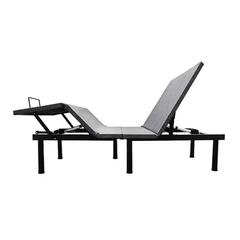
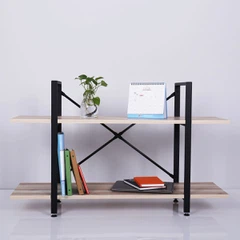
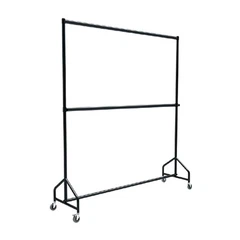
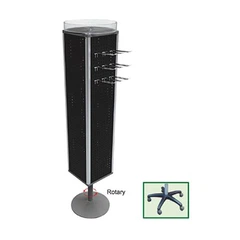
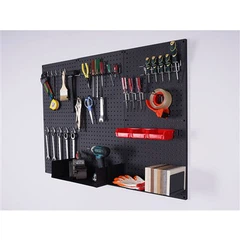
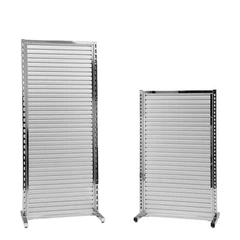
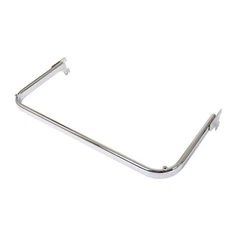
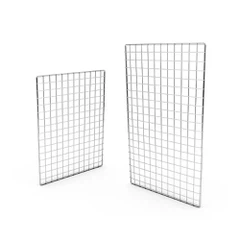
Display rails, slatted panel system, slotted upright post system, mesh panel system, pegboard system, display tables, and furniture.


Our service

BBEST offers a reliable store fixtures supply chain in order to provide our customers a sound international procurement experience. Our sub-contractors have worked with us for many years, and are strictly qualified in terms of quality, delivery time, price and service.

Punctual Delivery

Sufficient storage space to keep 70% regular items in stock.

Ongoing Progress

Regular R&D meeting to make our design better and better.


What is Custom Metal Fabrication?


Custom metal fabrication is the process of creating specific metal shapes and objects through a variety of manufacturing processes. This can include welding, fabricating, and machining. Metal fabrication is often used in the manufacturing and construction industries, but it can also be used for a variety of other applications as well.


  • Iron Fabrication Works

    OEM/ODM orders are welcome. We have the capability to perform laser cutting, bending, welding, stamping, slot punching, metal wire cutting, and powder coating in our own factory to provide you

  • Laser Cut Metal Parts

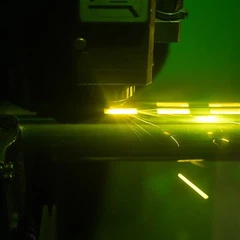
    O/D Max Capacity: 20~150mm. Length Max Capacity: 6000mm. Cutting accurately, and no tooling needed.. Complex cutout shapes and angled cut are available.. High efficient to reduce production time.

  • Custom Metal Welding

    BBEST has TIG welding, CO2 welding, spot welding, and automatic robot welding machines in our factory. Most of our welders have more than 20 years experiences, who can offer the best welding quality

  • Pipe and Tube Bending

    O.D.: 38.1mm. WT: 3mm. CLR: 25~150mm. Mandrel Working Distance: 2200mm. Tooling Capacity: 2

  • Powder Coating Production Line

    Max. volume inside the oven: L3000*W600*H1250mm. Speed: 4m/min.. Overhead conveyor system.. 3 individual spray rooms.. Strict wastewater treatment facility in-house.

Benefits Of Custom Metal Fabrication

Strength And Durability
Metal fabrication is stronger and more durable because of its resistance to pressure and heat. Metals are also resistant to pressure, corrosion, and abrasion.


Pliability
Sheet metal is flexible as well as strong. It may be twisted into many shapes while maintaining its strength and structural integrity. Because sheet metal is malleable, it may be used in specialized applications.

Adaptability

One of the most significant benefits of employing sheet metal is that the pieces are interchangeable. Rather than making the whole thing out of one material, using many metal parts allows for individual component replacement without replacing the entire assembly. So you may save money on upkeep and make improvements.

Durability

Metal is one of the most eco-friendly materials available. Metal is an eco-friendly natural resource. Components may be recycled and reused indefinitely.

Cost-Effectiveness

In assessing a material's cost, its lifespan and durability must be considered. The cheapest material is not necessarily the most cost-effective alternative if it needs to be replaced or repaired often. Due to its strength and endurance, sheet metal is a cheaper option.


Technologies Used In Custom Metal Fabrication
 

Automation
Automation has revolutionized the fabrication process by integrating programming capabilities into fabrication equipment. This advancement allows machines to perform tasks automatically according to predefined specifications, with minimal human intervention. Automation reduces operational costs and enhances both precision and consistency. Today, automated tools are available for various processes, including cutting, welding, folding, and numerous machining operations.


CAD Software
Computer-Aided Design (CAD) software has become indispensable in metal manufacturing projects. Engineers use CAD to create detailed designs that guide fabrication processes. This software facilitates the development of 3D models and allows for quick updates and modifications. Additionally, CAD software simplifies the translation of designs into programming languages for fabrication machinery. With CAD, engineers can easily fine-tune parts and quickly identify critical data, such as potential structural weaknesses.


Laser Technology
Laser cutting is the industry standard for precise, quick manufacturing. A strong laser may create precise incisions in sheet metal by actually melting the metal. Under this process, a laser beam is combined with high-pressure gasses- usually nitrogen or oxygen. A cutting head moves over the metal plate to produce an exothermic reaction that results in precise cut details. When performed by experienced users, laser equipment can also be used to etch material, however a laser engraver made expressly to etch and mark materials can perform the task more effectively. On the other hand, laser engraving equipment isn't specifically designed to cut through materials. Although both devices are designed to perform specific tasks better, they are often used interchangeably.

Iron Fabrication Works


CO2 welding

Plasma Cutting
Plasma cutting uses a focused stream of ionized, highly heated plasma to cut through metal. As a thermal cutting method, plasma cutting relies on intense heat to achieve its results. While the three traditional states of matter are solid, liquid, and gas, plasma is the fourth state, characterized by its high concentration of charged ions and electrons. Despite often being overlooked, plasma is highly effective in metal cutting.


Water Jet Cutting
One of the most rapidly expanding machining techniques today is using a water jet cutter, a piece of manufacturing equipment that has actually been around for decades. Water jet cutters use a water jet with high pressure and velocity to cut through metal or, virtually any, other material. The material is sliced through by a jet of fast-moving water discharged from the cutter's nozzle after it is coupled to a high-pressure water pump. They can also mix water and abrasive material to boost cutting power. This is a concentrated and accelerated version of natural water erosion.


Power Scissors
Power scissors can operate using either batteries or an electric source. Typically resembling a knife with dual blades at one end, these scissors are designed to cut through a range of materials including fabrics, paper, and other softer substances. In some cases, they may also be used to cut very thin layers of metal.


Process Guide Of Custom Metal Fabrication
 

Design

This phase involves creating the design for manufacturing. While the customer often does this step for more standard parts, fabrication experts coordinate with the customer. Together, we work with you to determine project requirements, manufacturing methods, and relevant areas of improvement.

Prototyping

In this phase, we produce a rapid prototype using either 3D printing or rapid sheet metal prototyping. The prototype is analyzed for feasibility. The customer and design team determine any adjustments that need to be made to the design before starting production.

Programming

The finalized CAD design for the product is translated into programming for any computer-controlled machines involved in the process. This step is crucial for automated cutting, punching, and turning machines.

Fabrication

The time it takes to fabricate depends on the part’s complexity, the processes involved, and the demand in the machine shop. The fabrication process may include various steps, including cutting, punching, folding, machining, welding, and more.

Finishing

Finishing includes refining surfaces and edges or applying coating options, such as powder coating.

Assembly

Some fabrication services also offer assembly, which may involve welding or electrical integrations.


Features Of Custom Metal Fabrication

Versatility
Custom metal fabrication is one of the most versatile forms of metalworking. It can transform just about any metal into a product you could never get from prefabricated metal.


Durability
When deciding to buy a metal part or product, durability is something that you should always consider.
One of the major advantages of using customized metal fabrication is that it is strong and can bear heavy stress. Custom metal parts last longer to hold out against repeated usage than mass-produced generic models.

Compatibility

If you want your product or piece of equipment to work with another piece, custom metal fabrication is one of the few ways you can do this.

Innovation

Custom metal fabrication allows you to create the perfect product that suits your needs and makes the most out of your design.

Lower Costs

Investing in custom metal fabrication is worthwhile in the long run. Most importantly, you’ll be able to save time and money by not having to repair or replace parts often.


Steps Of Custom Metal Fabrication

Design

The metal fabrication process begins with design. This step is arguably the most important because it gives you and the fabricator a chance to thoroughly discuss your project and map out a plan. If you already have a design in mind, you can begin with your own CAD plans or blueprints.

Once the design is clear, the fabricator will identify the materials needed. Common types of metals used in the fabrication process are aluminum, stainless steel, copper, and pre-finished and galvanized steel. They will then finalize the design and provide you with a timeline. This step in the process is also an opportunity for the fabricator to ask a few questions and ensure that the plan is sound and aligns with your goals.

Fabrication

Next, the fabrication process begins, as the team uses the design to cut and shape the pieces needed for the final product. Metal fabrication involves a variety of techniques, including cutting, welding, bending, and machining. Your product type and materials used will determine the specific techniques necessary to fabricate your project.

pipe and tube bending
Pipe And Tube Bending

Assembly

The newly-fabricated pieces will be assembled to create your final product. This phase in the process is the moment of truth—quality assurance. If the assembled product meets the fabricator’s expectations and the customer’s goal, it will move on to the finishing step.

Finishing

Once the product has been assembled, it goes through a finishing process that prepares it for the final delivery. This phase includes adding protective layers and finishing treatments to improve the product’s durability, look, and function. The finished product will then go on to the customer.


Understand The Process Of Custom Metal Fabrication


Cutting/Punching: First, the chosen metal will likely need to be processed to the part size required using CNC and other equipment such as turret punch presses, CNC laser or plasma cutters, and saws. Saws are widely used for structural shapes. Lasers and plasmas can quickly cut the more complex sheet and plate patterns; while a turret press is well suited for hole-intensive panels. uses a wide range of metals, including mild steel, stainless, aluminum, copper, brass. Many grades, sizes, and thicknesses are kept in stock.


Forming: Once cut, the metal may need to be formed. Break presses, plate rollers, and folding machines cold-bend material by using hydraulic force and CNC computer controls.


Welding: There are many types of welding and joining processes that can utilize for your needs. MIG, TIG, Flux-Core, and others all have their different strengths depending on the application.


Finishing: In general, if your parts are made from steel; you will likely need to finish them in some manner for rust prevention and to extent longevity. Powder coat painting is an extremely durable industrial finish that specializes in. Our powder coating process was designed around the electrical industry’s rigorous standards for weather resistance and long-term durability. Other finish options include galvanizing and plating.


Assembly: Finally, the finished metal parts are often assembled with hardware, etc. Fit and quality assurance checks are made, and then parts are packaged for shipment to you.


Custom Metal Fabrication Services


Cutting

One of the primary techniques used is cutting, including laser cutting, plasma cutting, and water jet cutting. Laser cutting utilizes a high-powered laser beam to make precise cuts, which is ideal for intricate designs and complex shapes. Plasma cutting, on the other hand, uses a jet of ionized gas to cut through metal, which is effective for thicker materials.


Welding

Welding involves joining two or more metal pieces together by melting their edges and adding a filler material to form a strong bond. Various welding methods, including MIG (Metal Inert Gas) welding, TIG (Tungsten Inert Gas) welding, and stick welding, are employed depending on the type of metal and the desired strength of the joint.


Bending

Bending is used to form metal sheets and plates into specific angles and shapes. It allows for the creation of components like brackets, enclosures, and structural frames.


Finishing Techniques

Lastly, finishing techniques enhance the appearance and functionality of fabricated metal products. These processes include polishing, painting, powder coating, and anodizing to ensure that the final product not only meets the structural requirements but also has an appealing and durable surface.


Certifications


p202408141432259a5d7.jpg (800×1132)
p20240814143229e7af2.jpg (800×1131)
p20240814143218184b8.jpg (800×1131)
p20240814143221b9ac1.jpg (800×1131)
p20240814143235f6ea8.jpg (800×566)
p202408141432327364e.jpg (800×566)
p20240814143239fa3f3.jpg (800×566)
p202408141432434087e.jpg (800×566)


Our Factory


202407231300540314e.jpg (753×502)


The factory covers an area of 15,395m² (165,710ft²) with a basement and 8-story facility above the ground. The factory includes full production line, powder coating line, and logistics. To protect the earth and make our planet greener, we have solar panels installed on the roof to generate clean energy.


Video Frequency


FAQ


Q: What is Custom Metal Fabrication?

A: Custom metal fabrication is the design and fabrication of metal elements that are usually used to embellish, hide or enhance features of a building or of the custom metal artwork itself.

Q: What are the benefits and advantages of Custom Metal Fabrication?

A: The main benefit and advantage of Custom metal fabrication is that you can fabricate whatever you want as long as your imagination can think of it and the laws of physics agree with you.

Q: What are the key steps in the custom metal fabrication process?

A: The process typically involves design, material selection, cutting (laser, plasma, waterjet, or saw cutting), forming (press brake bending, rolling), welding, finishing (painting, powder coating), and assembly.

Q: What are the steps in the Custom Metal Fabrication process?

A: First step is design and it is the most important part, here is where you can make something as opposed to having something impossible to execute. The design must be something that is within the fabrication budget, accomplishes its task and can physically be built. Once the design has been decided upon, it is time to take it to the metal workers and bring the design to fruition. Once it has been built, it is sanded to get rid of any blemishes and to be taken to the paint booth. After that it is ready to be installed.

Q: What is the importance of design in custom metal fabrication?

A: Design is crucial as it determines the functionality, aesthetics, and manufacturability of the final product. A detailed design ensures that all fabrication processes can be carried out efficiently and that the final product meets the customer’s needs.

Q: What is the general advantage of metal forming process?

A: Advantages: (1) enhanced plastic deformation properties, (2) lower forces required, (3) intricate work geometries possible, (4) annealing stages can be reduced. dies, using either impact load or hydraulic load (or gradual load) to deform it.

Q: What are the metals used in fabrication?

A: Usually the most common metal used in metal fabrication is Aluminium due to it’s light weight, its ease of use, and its availability and cost. Steel is also used but it is heavier and requires more specialized work.

Q: What are the industries that used metal fabricated products?

A: Metal fabricated products are prevalent in the Hospitality Industry and in the Commercial Construction industry.

Q: What is the significance of welding in custom metal fabrication?

A: Welding is essential for joining metal pieces together. Different types of welding (MIG, TIG, stick welding) are used depending on the metal type, thickness, and desired strength of the joint.

Q: How does finishing impact the final product in custom metal fabrication?

A: Finishing processes such as painting, powder coating, or plating can protect the metal from corrosion, improve its appearance, and enhance its durability. The choice of finishing depends on the application and environment of the final product.

Q: What are the common applications of custom metal fabrication?

A: Custom metal fabrication is used in various industries, including construction, automotive, aerospace, medical, and consumer goods. It is particularly valuable in applications where standard parts do not meet specific requirements.

Q: What are the environmental considerations in custom metal fabrication?

A: Environmental considerations include proper waste disposal, recycling of scrap metal, and the use of energy-efficient processes. Compliance with environmental regulations is crucial.

Q: What is the role of quality control in custom metal fabrication?

A: Quality control ensures that the fabricated parts meet the required specifications and standards. This involves regular inspections and testing to prevent defects and ensure the integrity of the final product.

Q: How does custom metal fabrication benefit small businesses?

A: Custom metal fabrication allows small businesses to create unique, specialized products that can help them differentiate themselves in the market. It also provides flexibility and the ability to adapt quickly to changing customer needs.

Q: What are the safety protocols in custom metal fabrication?

A: Safety protocols include the use of personal protective equipment (PPE), regular safety training, and adherence to industry safety standards. Maintaining a clean and organized workspace is also essential to prevent accidents.

Q: What are the future trends in custom metal fabrication?

A: Future trends include the integration of Industry 4.0 technologies such as IoT, AI, and robotics to improve efficiency and reduce costs. Additive manufacturing (3D printing) is also gaining popularity for rapid prototyping and complex part production.

Q: When does it make sense to invest in Custom Metal Fabrication?

A: The reason for metal fabricated elements is to enhance the look of a property, to make an artistic statement or to hide aspects of a building that may hurt its curb appeal.

Q: What are the factors to consider when choosing a Custom Metal Fabrication company/shop?

A: Make sure that the company is willing to listen and offer solutions to the situation and to guide the client through the process in order to best execute the project. A company that is committed to excellence, workmanship and customer service.

Q: How does custom metal fabrication contribute to the economy?

A: Custom metal fabrication supports various industries, creating jobs and driving economic growth. By enabling the creation of specialized products, it contributes to the competitiveness of domestic manufacturers.

Q: What are the benefits of outsourcing custom metal fabrication?

A: Outsourcing can provide access to specialized expertise, equipment, and facilities that may not be cost-effective for a company to maintain in-house. It can also help in managing production costs and improving lead times.

As one of the leading custom metal fabrication manufacturers and suppliers, we warmly welcome you to wholesale high-grade custom metal fabrication for sale here from our factory. All customized products are with high quality and competitive price.

Pipe and Tube Bending, metal cutting services, polishing metal fabrication

Send Inquiry