Q: What is the purpose of a slatwall?
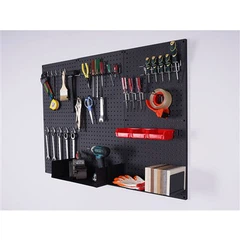
A: One of the most popular uses of Slatwall is in retail spaces. Stores rely on Slatwall to display merchandise in a way that is neat and organized, ensuring that customers find the objects they need in a quick and easy manner.
Q: Are slat walls outdated?
A: So, while trends in design come and go, wood slat accent walls have shown that they have the staying power to transcend the label of just a trend. Their rich history, versatility, and ability to evolve make them a timeless choice for those looking to add a touch of elegance and warmth to their space.
Q: What are the benefits of slat walls?
A: 6 Key Benefits Of PVC Slatwall
Durability. Resilient Material: ...
Customisation. Colour Options: ...
Easy Installation. Simple Screw-In Fixing: ...
Great Use Of Space. Maximised Floor Space: ...
Increased Sales. Enhanced Visibility: ...
Enhanced Brand Image. Professional Appearance:
Q: How much weight can a slatwall shelf hold?
A: As a general guideline, an un-reinforced slatwall can hold about twelve pounds per bracket, while a reinforced slatwall can bear about fifty pounds of weight per bracket.
Q: Do slatted walls get dusty?
A: While a wood accent wall will bring any room to life, it's relatively easy for dust to accumulate in between the nooks and crannies of the paneling. But there's an easy solution -- dusting and vacuuming both work to remove the pesky dust buildup.
Q: Is slat wall waterproof?
A: Give high-moisture rooms a contemporary overhaul with SlatWall Waterproof. Our wood-effect paneling for walls is perfect for adding a nature-inspired touch to residential and commercial interiors.
Q: What are the different types of slatwalls?
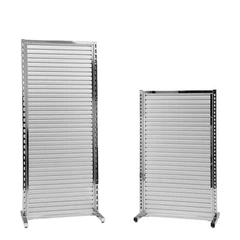
A: There are three main types of slatwall systems: PVC, aluminum, and wood.
Q: Is all slatwall the same?
A: Choosing Your Slatwall. With only a handful of exceptions, there are two things that all slatwall boards have in common: they are made of fiberboard and they have grooved slats. From there, the slatwall family has an endless variety of characteristics and differences.
Q: How can I make my slat wall look better?
A: You can change the look of a wood slat accent wall with your choice of thickness, wood stain, or paint finish, as well as how tightly or loosely you space the boards. For a divider wall, space slats with gaps wide enough to allow air and light to circulate.
Q: How are slat walls attached?
A: The installation of slatwall is a clean, quick and easy process using commonly available essential tools. Panels are installed with a solvent free quick grab adhesive and can be easily cut to the desired size using a fine tooth hand saw or jigsaw.
Q: Where do you put a slat wall?
A: Slatwall is typically installed over drywall or the existing finished wall material. It may also be installed directly to bare wall stud, if permitted by building code. Drill screws through the Slatwall grooves and into the wall studs.
Q: Is slatwall a standard size?
A: The industry standard size for wood slatwall panels is 4” x 4” (or 1.2m x 1.2m). The square size is perfect for most applications and can be combined with other panels to extend upwards, downwards, or sideways, to cover as much wall as required.
Q: Which slat wall is best?
A: Plus, it's also typically the weakest option for Slatwall, so hanging too-heavy objects can also damage it. PVC-based Slatwall is a good all-around option, balancing price, and performance. PVC is an exceptionally durable form of plastic, and PVC Slatwall can typically hold anywhere from 40-75 pounds per square foot.
Q: When were slat walls popular?
A: Wood Wall Panelling in Classic Mid-Century Design
The mid-century era witnessed the integration of vertical wood slats in renowned architectural homes, cementing their status as design classics.
Q: How do you attach shelves to a slat wall?
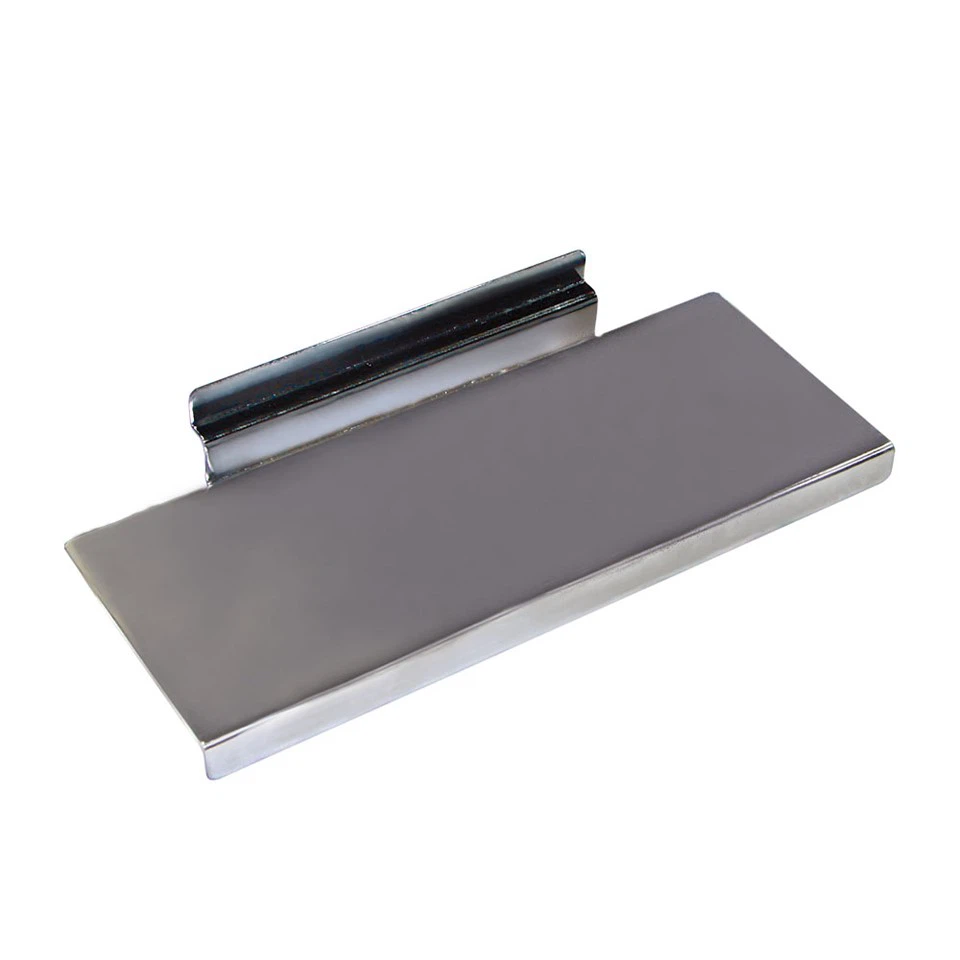
A: To Mount the Shelves:
Mount the first shelf near the bottom of the slat wall. Again, make sure to use a level. To mount the shelf, locate the slats that are on studs. Create pilot holes through the shelf support, into the slats and into studs. ...
Repeat for all shelves. My shelves are 16″ apart.
Q: What wood do you use for a slat wall?
A: What Wood Should You Use for a Wood Slat Wall?
Pine: You're going for a farmhouse or cabin aesthetic, and you don't mind a more knotty, rustic wood look. You're also looking to save on cost, so pine is a perfect economically-friendly option. Ash or Maple: You want the premium look and feel of hardwood, without spending too much on materials.
Q: How to hang stuff on a slat wall?
A: You can easily hang artwork by using a string on the back of the canvas or by simply placing two notch hooks on the same row of slatwall to create a stable slatwall easel display. Note - There is about 0.28" of space between the front notch of the hook and the back of the slatwall panel.
Q: How do you remove a slatwall?
A: Slide the putty knife out to the end of the slatwall. These putty knives will disengage each spring clip. With the putty knives still in position, lift the bottom of the slatwall up. This will disengage the slatwall from the system wall.
Q: What is the purpose of a slatwall?
A: One of the most popular uses of Slatwall is in retail spaces. Stores rely on Slatwall to display merchandise in a way that is neat and organized, ensuring that customers find the objects they need in a quick and easy manner.
Q: How are slat walls attached?
A: The installation of slatwall is a clean, quick and easy process using commonly available essential tools. Panels are installed with a solvent free quick grab adhesive and can be easily cut to the desired size using a fine tooth hand saw or jigsaw.