


Are Wall Channels suitable for a high - rise building?
Aug 20, 2025
Leave a message
Hey there! As a supplier of Wall Channels, I've been getting a lot of questions lately about whether Wall Channels are suitable for high - rise buildings. So, I thought I'd sit down and write this blog to share my thoughts and insights on the matter.
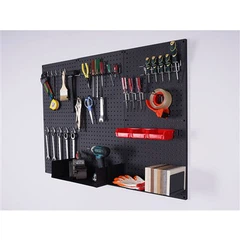
First off, let's talk a bit about what Wall Channels are. Wall Channels, as you can check out on Wall Channel, are these nifty metal tracks that are typically installed on walls. They're super versatile and can be used for all sorts of things, like hanging shelves, cabinets, or other fixtures. They come in different sizes and materials, and their main job is to provide a stable and secure way to attach stuff to the wall.
Now, when it comes to high - rise buildings, there are a bunch of factors we need to consider. One of the biggest concerns in high - rise structures is the wind load. High - rise buildings are exposed to much stronger winds compared to low - rise ones. The wind can create a lot of lateral force on the building's exterior and interior components. So, we need to make sure that the Wall Channels can withstand these forces without coming loose or failing.


Most high - quality Wall Channels are made from strong materials like steel. Steel is known for its high strength - to - weight ratio, which means it can handle a lot of stress without being too heavy. This is crucial in high - rise buildings where weight is a major consideration. If the Wall Channels are too heavy, they can add unnecessary load to the building's structure, which might not be ideal.
Another thing to think about is the seismic activity. High - rise buildings in earthquake - prone areas need to be designed and equipped to handle seismic forces. Wall Channels should be able to move with the building during an earthquake without breaking. Some Wall Channels come with special features, like flexible joints or shock - absorbing materials, that can help them better withstand seismic events.
In addition to the physical forces, we also need to consider the fire safety aspect. High - rise buildings have strict fire safety regulations. Wall Channels should be made from fire - resistant materials or have fire - retardant coatings. This ensures that in case of a fire, the Wall Channels don't contribute to the spread of the fire and can maintain their structural integrity for a certain period of time, allowing people more time to evacuate.
Now, let's talk about the installation process. Proper installation is key when it comes to using Wall Channels in high - rise buildings. The Wall Channels need to be installed by experienced professionals who understand the building's structure and the specific requirements of high - rise construction. They need to use the right tools and techniques to ensure that the Wall Channels are securely attached to the wall.
For example, in some high - rise buildings, the Wall Channels might need to be attached to the building's structural frame rather than just the drywall. This provides a much more stable and secure connection. Also, when installing Wall Channels, we need to pay attention to the spacing between them. The spacing should be determined based on the weight and size of the items that will be hung on the Wall Channels.
When it comes to the functionality of Wall Channels in high - rise buildings, they can be extremely useful. In commercial high - rise buildings, Wall Channels can be used to create modular storage systems. For example, in an office building, Wall Channels can be used to hang filing cabinets, bookshelves, or display boards. This allows for easy reconfiguration of the office space as the company's needs change.
In residential high - rise buildings, Wall Channels can be used in kitchens to hang pots, pans, and utensils. They can also be used in bedrooms to hang clothes racks or wall - mounted mirrors. The flexibility of Wall Channels makes them a great choice for creating custom storage and organization solutions in limited spaces, which is often the case in high - rise apartments.
Now, I mentioned earlier about the importance of using high - quality Wall Channels. To enhance the performance of Wall Channels, we often use accessories like Steel Tube Spacers. These spacers help to keep the Wall Channels at the right distance from each other, ensuring proper alignment and stability. They can also help to distribute the load more evenly across the Wall Channels.
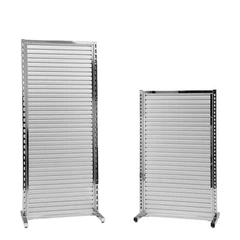
Another useful accessory is the Slotted Wall Standards. These standards provide additional support and can be used to connect multiple Wall Channels together. They are especially useful in large - scale installations where you need to create a more complex storage or display system.
So, are Wall Channels suitable for high - rise buildings? The answer is yes, but with some important considerations. As a Wall Channel supplier, I always recommend doing a thorough assessment of the building's specific requirements before choosing the right Wall Channels and accessories. It's important to work with a team of professionals, including architects, engineers, and contractors, to ensure that the Wall Channels are installed correctly and meet all the safety and performance standards.
If you're in the process of building or renovating a high - rise building and you're interested in using Wall Channels, I'd love to have a chat with you. We can discuss your specific needs, and I can provide you with more information about our products and how they can be customized to fit your project. Whether it's for a commercial or residential high - rise, we have a wide range of Wall Channels and accessories to choose from.
In conclusion, Wall Channels can be a great addition to high - rise buildings if used correctly. They offer a lot of benefits in terms of functionality, flexibility, and space utilization. Just make sure to take all the necessary factors into account and work with a reliable supplier and installation team.
References:
- Building Structural Design Handbook for High - Rise Buildings
- Fire Safety Regulations for High - Rise Structures
- Steel Construction Manual for Seismic - Resistant Buildings
Send Inquiry