





Can a slat wall for display be used in a museum?
Jan 07, 2026
Leave a message
As a seasoned supplier of slat walls for display, I've often encountered inquiries about the adaptability of these versatile systems in various settings. One question that frequently arises is whether a slat wall for display can be used in a museum. This query delves into the intersection of aesthetics, functionality, and the unique requirements of museum environments. In this blog post, I'll explore the feasibility and potential benefits of integrating slat wall displays into museum spaces.
Understanding the Museum Environment
Museums are institutions dedicated to preserving, interpreting, and exhibiting cultural, historical, and artistic artifacts. The primary goal of a museum display is to communicate the significance of these objects effectively to visitors while ensuring their protection and conservation. Therefore, any display system used in a museum must meet strict standards in terms of aesthetics, durability, and compatibility with the artifacts on display.
One of the key considerations in museum displays is the need for flexibility. Exhibits are often changed regularly to showcase different collections or themes, requiring a display system that can be easily reconfigured. Additionally, museums must provide a safe and secure environment for their artifacts, which means that any display system must be stable, non - abrasive, and resistant to damage.
The Features of Slat Wall for Display
Slat walls are a popular choice for retail and commercial displays due to their versatility and ease of use. A slat wall consists of a panel with evenly spaced grooves or slats, into which various display accessories can be inserted. These accessories include shelves, hooks, bars, and brackets, allowing for a wide range of display configurations.

One of the main advantages of slat walls is their modular design. This means that they can be easily customized to fit the specific needs of a display area. For example, if you need to create a large, open display area, you can use fewer accessories and leave more space on the wall. Conversely, if you need to display a large number of small items, you can use more hooks and shelves to maximize the available space.
Another benefit of slat walls is their durability. Made from high - quality materials such as wood, metal, or plastic, slat walls are designed to withstand the rigors of regular use. They are also resistant to scratches, dents, and other forms of damage, making them a long - lasting investment for any display application.
Feasibility of Using Slat Wall in Museums
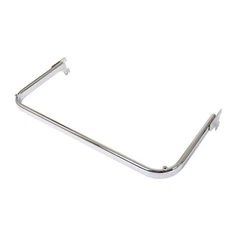
The modular and customizable nature of slat walls makes them a potentially suitable option for museum displays. Their flexibility allows curators to create unique and engaging exhibits that can be easily modified as needed. For example, a museum could use slat walls to display a collection of historical clothing. By using Slatwall Clothing Display Bar, they can hang the garments at different heights and angles, creating an eye - catching display that tells the story of the clothing's history and cultural significance.
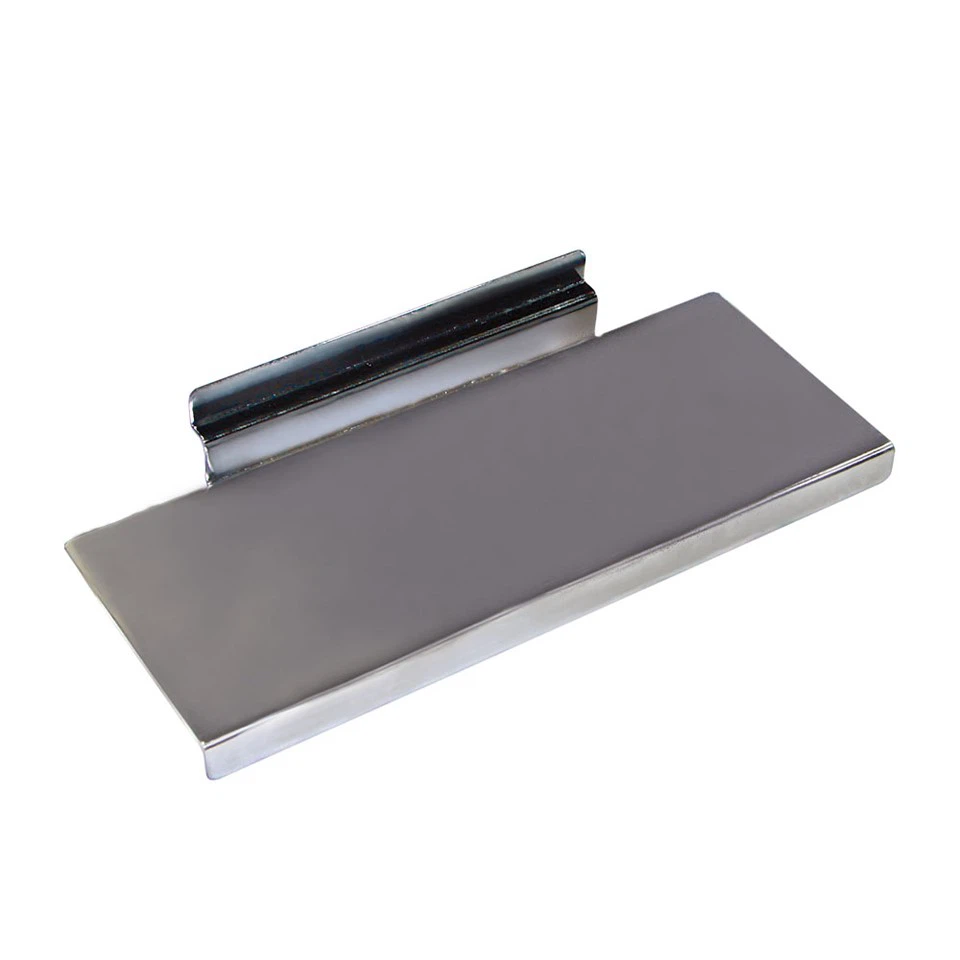
In addition, slat walls can be used to display three - dimensional objects. For instance, Retail Shoe Shelves can be attached to the slat wall to showcase a collection of antique shoes. The shelves can be adjusted to accommodate shoes of different sizes, ensuring that each pair is displayed in the best possible way.
Moreover, the use of Slatwall Hooks with Price Tag Tabs can be adapted for museum use. Instead of price tags, these hooks can hold informational tags that provide details about the artifacts on display. This helps to enhance the visitor experience by providing context and information about the objects.
Aesthetic Considerations
Museums are known for their aesthetically pleasing displays, and the use of slat walls must fit in with the overall design of the museum. Fortunately, slat walls come in a variety of finishes and colors, allowing them to blend seamlessly with any museum decor. Whether the museum has a modern, minimalist design or a more traditional, ornate style, there is a slat wall option that can complement the aesthetic.
For example, a slat wall made of natural wood can add a warm and rustic touch to a museum display, while a metal slat wall with a sleek finish can create a more contemporary look. The ability to customize the appearance of the slat wall ensures that it does not detract from the beauty and significance of the artifacts on display but rather enhances the overall visual appeal of the exhibit.
Conservation and Protection
One of the most critical aspects of museum displays is the conservation and protection of artifacts. Slat wall materials must be carefully selected to ensure that they do not pose any risk to the objects. For example, if the wall comes into direct contact with the artifacts, it should be made of a non - reactive and non - abrasive material.
Many modern slat walls are designed with conservation in mind. They can be coated with a protective finish that prevents the transfer of chemicals or moisture to the artifacts. Additionally, the display accessories should be designed to hold the objects securely without causing any damage. For example, hooks can be padded to prevent scratching, and shelves can be reinforced to support the weight of heavier items.
Linking to Practical Uses in Retail
Although museums have unique requirements, the slat wall systems we offer are already well - established in the retail industry. The Retail Shoe Shelves, Slatwall Clothing Display Bar, and Slatwall Hooks with Price Tag Tabs are designed to be highly functional and durable in high - traffic retail environments. Their success in retail suggests that they can also be reliable and effective in a museum setting.
In retail, these display solutions are used to attract customers and showcase products in an appealing way. Similarly, museums aim to attract visitors and engage them with their exhibits. By leveraging the proven design and functionality of our slat wall products, museums can create displays that are both educational and visually interesting.
Conclusion and Call to Action
In conclusion, a slat wall for display can indeed be used in a museum. Its flexibility, modularity, durability, and aesthetic adaptability make it a suitable option for creating engaging and dynamic exhibits. Whether it's displaying historical clothing, antique shoes, or other artifacts, a slat wall system can be customized to meet the specific needs of the museum.
If you're a museum professional or involved in museum exhibit design and are interested in exploring the use of slat walls for your next display project, I encourage you to reach out. We can provide more detailed information about our products, share case studies, and discuss how our slat wall systems can be tailored to your museum's unique requirements. Let's work together to create displays that will captivate your visitors and bring your artifacts to life.
References
- Museum Exhibition Design Principles by various experts in museum studies
- Retail Display Best Practices and Case Studies
- Product Specifications and Usage Guidelines for Slat Wall Display Systems
Send Inquiry