


Can Wall Channels be used for hiding audio cables?
Oct 10, 2025
Leave a message
Hey there! As a Wall Channel supplier, I often get asked all sorts of questions about our products. One question that pops up quite a bit is, "Can Wall Channels be used for hiding audio cables?" Well, let's dive right into this topic and find out.
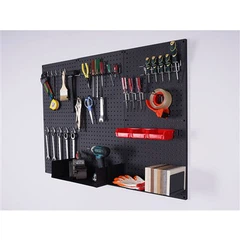
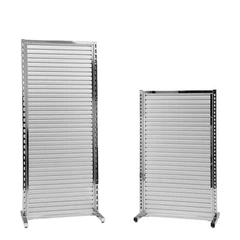
First off, let's talk about what Wall Channels are. Wall Channels, like the ones you can check out here, are essentially long, narrow structures that can be mounted on walls. They come in different sizes, materials, and designs, and they're super versatile.
Now, let's think about audio cables. Audio cables can be a real eyesore, right? They're all over the place, getting tangled up, and just generally making your space look messy. Whether you're setting up a home theater system, a professional audio setup in a studio, or just some speakers in your living room, hiding those cables can make a world of difference in terms of aesthetics.
So, can Wall Channels be used for this purpose? The short answer is yes! Wall Channels are a great solution for hiding audio cables. Here's why.
Protection
One of the main benefits of using Wall Channels to hide audio cables is protection. Audio cables are delicate, and they can easily get damaged if they're exposed. They can be stepped on, pulled, or bent in ways that can affect their performance. When you tuck them away inside a Wall Channel, they're shielded from these potential hazards. The channel acts as a protective barrier, keeping the cables safe and sound.
Organization
Another big advantage is organization. Have you ever tried to untangle a bunch of audio cables? It's like trying to solve a never - ending puzzle. With Wall Channels, you can neatly arrange your cables inside the channel. You can even separate different types of cables, like speaker cables and audio signal cables, to avoid interference. This makes it easier to manage your cables, and if you ever need to make a change or fix something, you know exactly where to find each cable.
Aesthetics
As I mentioned earlier, aesthetics play a huge role. A room with exposed audio cables looks cluttered and unprofessional. But when you use Wall Channels to hide those cables, the room instantly looks cleaner and more put - together. It gives the space a sleek and modern look, whether it's a home entertainment area or a commercial audio setup.
Installation
Installing Wall Channels to hide audio cables is also relatively easy. Most Wall Channels come with mounting hardware, and you can usually install them yourself with just a few basic tools. You don't need to be a professional electrician or handyman. Just measure the length you need, mark the spots on the wall, and screw the channel into place. Then, you can simply feed the audio cables through the channel.
Compatibility
Wall Channels are compatible with a wide range of audio cables. Whether you're using RCA cables, XLR cables, or speaker wires, they can all fit inside a Wall Channel. The channels come in different widths, so you can choose the one that's the right size for your cables.
However, there are a few things to keep in mind when using Wall Channels for hiding audio cables.


Heat Dissipation
Audio cables can generate some heat, especially when they're carrying a lot of power. You need to make sure that the Wall Channel you choose allows for proper heat dissipation. If the cables get too hot, it can affect their performance and even shorten their lifespan. Look for Wall Channels that have ventilation holes or are made of materials that conduct heat well.
Cable Management
Even though Wall Channels help with organization, you still need to manage your cables properly inside the channel. Don't just stuff them in there haphazardly. Make sure they're neatly arranged and not overcrowded. Overcrowding can lead to interference between cables and make it difficult to access them if you need to.
Future Expansion
Think about future expansion. If you plan to add more audio equipment or cables in the future, choose a Wall Channel that has enough space to accommodate them. You don't want to have to replace the channel every time you make a change to your audio setup.
Now, let's talk about some related products that can enhance the use of Wall Channels for hiding audio cables.
Steel Tube Spacers can be very useful. These spacers can help you create a more organized and stable installation. They can be used to separate different layers of cables inside the Wall Channel, which is great for preventing interference and making it easier to manage the cables.
Retail Display Rails might seem a bit off - topic at first, but they can actually be used in conjunction with Wall Channels. For example, if you're setting up an audio display in a retail store, these rails can be used to mount speakers and other audio equipment, and the Wall Channels can be used to hide the cables that connect them.
In conclusion, Wall Channels are an excellent choice for hiding audio cables. They offer protection, organization, and a great aesthetic improvement. Whether you're a homeowner looking to spruce up your entertainment area or a professional in the audio industry, Wall Channels can be a game - changer.
If you're interested in using Wall Channels for hiding your audio cables or have any questions about our products, don't hesitate to reach out. We're here to help you find the right solution for your needs. Whether you need advice on installation, the right size of Wall Channel, or just want to learn more about how they work, we've got you covered. So, start thinking about how you can transform your audio setup with Wall Channels today!
References
- General knowledge about audio cables and cable management
- Product knowledge of Wall Channels, Steel Tube Spacers, and Retail Display Rails
Send Inquiry