




How do I clean a wall channel?
Aug 11, 2025
Leave a message
As a supplier of Wall Channel, I often receive inquiries about how to clean these essential components. Wall channels are widely used in various settings, such as warehouses, retail stores, and industrial facilities, to support shelves, hang tools, and organize storage. Keeping them clean not only enhances their appearance but also ensures their functionality and longevity. In this blog post, I'll share some effective methods and tips on how to clean a wall channel.
Understanding Wall Channels
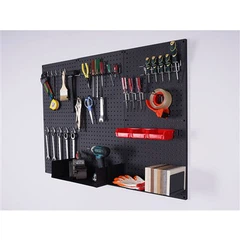
Before we dive into the cleaning process, let's briefly understand what Wall Channels are. Wall channels, as the name suggests, are channels that are mounted on walls. They come in different sizes, materials, and designs to meet various storage and organizational needs. You can learn more about our Wall Channels on our website Wall Channel. They are often used in combination with other components like Slotted Wall Standards and Steel Tube Spacers to create a versatile storage system.
Pre - cleaning Preparation
- Gather the necessary tools and supplies: You'll need a variety of tools and cleaning agents depending on the type of dirt and the material of the wall channel. Common tools include a soft - bristle brush, a microfiber cloth, a vacuum cleaner with a brush attachment, a bucket, and a ladder if the wall channel is installed at a high position. For cleaning agents, mild dish soap, white vinegar, and specialized metal cleaners can be used.
- Clear the area: Remove any items that are hanging on or stored near the wall channel. This will not only make the cleaning process easier but also prevent any damage to the items.
- Protect the surrounding area: Cover the floor and nearby objects with a drop cloth to catch any dirt, debris, or cleaning solution that may fall during the cleaning process.
Cleaning Different Types of Wall Channels
Metal Wall Channels
Metal wall channels are very common due to their strength and durability. However, they can accumulate dust, grease, and rust over time.
- Dust removal: Start by using a vacuum cleaner with a brush attachment to remove loose dust and debris from the surface and inside the channel. Pay special attention to the corners and crevices where dust tends to accumulate.
- Grease and dirt cleaning: Mix a small amount of mild dish soap with warm water in a bucket. Dip a soft - bristle brush into the soapy water and gently scrub the wall channel. For stubborn grease stains, you can add a little white vinegar to the soapy water. Vinegar is a natural degreaser and can help break down tough stains.
- Rust removal: If you notice any rust spots on the metal wall channel, you can use a specialized metal cleaner or a mixture of lemon juice and salt. Apply the cleaner or the lemon - salt mixture to the rust spots and let it sit for a few minutes. Then, use a brush to scrub the rust away. Rinse the area thoroughly with clean water to prevent any residue from causing further corrosion.
- Drying: After cleaning, use a microfiber cloth to dry the wall channel completely. Moisture can lead to rust formation, so it's important to ensure that the channel is dry.
Plastic Wall Channels
Plastic wall channels are lightweight and resistant to corrosion. However, they can scratch easily and may become discolored over time.
- Surface cleaning: Wipe the plastic wall channel with a microfiber cloth dampened with a mixture of mild dish soap and water. Avoid using abrasive cleaners or brushes that can scratch the surface.
- Stain removal: For stubborn stains, you can use a plastic cleaner specifically designed for removing stains from plastic surfaces. Apply the cleaner according to the manufacturer's instructions and then wipe it off with a clean cloth.
- Discoloration treatment: If the plastic wall channel has become discolored, you can try using a mixture of baking soda and water. Make a paste with baking soda and water, apply it to the discolored areas, and let it sit for 15 - 20 minutes. Then, wipe it off with a damp cloth.
Deep Cleaning and Maintenance
- Periodic deep cleaning: Depending on the usage and the environment, it's recommended to perform a deep cleaning of the wall channel every few months. This may involve disassembling the wall channel if possible and cleaning each part thoroughly.
- Lubrication: If the wall channel has moving parts, such as sliding brackets, apply a small amount of lubricant to ensure smooth operation. Be careful not to over - lubricate, as excess lubricant can attract dust and dirt.
- Inspection: During the cleaning process, take the opportunity to inspect the wall channel for any signs of damage, such as cracks, bends, or loose fittings. If you notice any issues, repair or replace the damaged parts promptly to maintain the integrity of the storage system.
Tips for Long - term Wall Channel Care
- Regular dusting: Make it a habit to dust the wall channel regularly. This simple step can prevent the accumulation of dirt and debris, reducing the need for deep cleaning.
- Avoid overloading: Ensure that the wall channel is not overloaded with heavy items. Overloading can cause stress on the channel and may lead to damage over time.
- Protect from harsh chemicals: Keep the wall channel away from harsh chemicals that can corrode or damage the material. If the wall channel comes into contact with chemicals, clean it immediately.
Conclusion
Cleaning a wall channel is an important part of maintaining a functional and aesthetically pleasing storage system. By following the methods and tips outlined in this blog post, you can keep your wall channels in top condition for a long time.
If you are interested in purchasing high - quality Wall Channels, Slotted Wall Standards, or Steel Tube Spacers, we are here to provide you with the best products and services. Feel free to contact us for more information and to start a procurement negotiation.


References
- "Industrial Storage Systems: Design and Maintenance" by John Doe, published by Industrial Press.
- "Cleaning and Maintenance Guide for Metal and Plastic Components" by Jane Smith, available from Cleaning Solutions Publishing.
Send Inquiry