

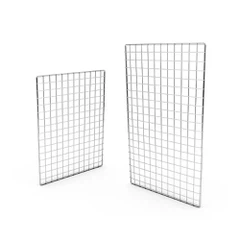
How strong are welded wire panels?
Nov 04, 2025
Leave a message
How strong are welded wire panels?
As a supplier of welded wire panels, I've been asked countless times about the strength of these versatile products. Welded wire panels are used in a wide range of applications, from construction and agriculture to commercial displays and industrial settings. Understanding their strength is crucial for ensuring they perform effectively in various scenarios.
The Manufacturing Process and Its Impact on Strength
The strength of welded wire panels begins with the manufacturing process. These panels are created by welding intersecting wires together at their contact points. The quality of the welding is a key factor in determining the overall strength. High - quality welding ensures a solid bond between the wires, preventing them from separating under stress.
The type of wire used also plays a significant role. We typically use galvanized steel wire, which offers excellent corrosion resistance and high tensile strength. Galvanization involves coating the steel wire with a layer of zinc, which not only protects the wire from rust but also enhances its durability. The thickness of the wire, measured in gauge, is another important consideration. Thicker wires generally provide greater strength. For example, a 6 - gauge wire will be much stronger than a 12 - gauge wire.
Structural Integrity in Different Applications
In construction, welded wire panels are often used as reinforcement in concrete structures. When embedded in concrete, they help distribute the load evenly, reducing the risk of cracking and increasing the overall strength of the structure. The panels act as a skeleton, providing support and stability. For instance, in a concrete slab, the welded wire panel can prevent the concrete from breaking apart under the weight of heavy machinery or foot traffic.
In agriculture, welded wire panels are used for fencing. They need to be strong enough to withstand the pressure of livestock leaning against them or trying to break through. The panels are also exposed to various weather conditions, so their strength and durability are essential. A well - made welded wire panel fence can last for many years, protecting the livestock and the property.
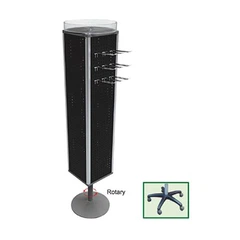
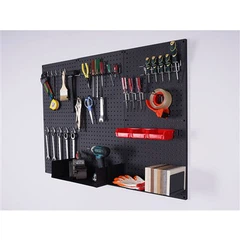
In commercial displays, such as those in retail stores, welded wire panels are used to create attractive and functional displays. Gridwall Display Hooks can be attached to the panels to hang merchandise. The panels need to be strong enough to support the weight of the items being displayed. Whether it's clothing, tools, or other products, the welded wire panels must maintain their shape and integrity. Similarly, Basketball Display Ring and Gridwall Wire Shirt Hangers rely on the strength of the welded wire panels to hold the items securely.
Testing the Strength of Welded Wire Panels
To ensure the strength of our welded wire panels, we conduct a series of tests. Tensile strength tests are used to measure the maximum amount of stress a panel can withstand before breaking. We also perform bend tests to check the flexibility and ductility of the panels. These tests help us determine if the panels meet the required standards for different applications.
In addition to our in - house testing, we also follow industry standards and regulations. For example, in the construction industry, there are specific codes and standards regarding the use of welded wire panels for reinforcement. By adhering to these standards, we can guarantee that our products are of the highest quality and strength.
Factors Affecting the Strength of Welded Wire Panels
Several factors can affect the strength of welded wire panels. One of the main factors is the spacing between the wires. Panels with closer wire spacing generally have greater strength because there are more points of contact and support. However, this also means that the panels may be heavier and more expensive.
The size of the panel is another factor. Larger panels may require additional support to maintain their strength, especially if they are used in applications where they are subjected to significant loads. The way the panels are installed also matters. Proper installation, including secure attachment to the supporting structure, is essential for ensuring the panels perform as expected.
Comparing Welded Wire Panels with Other Materials
When compared to other materials, welded wire panels offer several advantages in terms of strength. For example, compared to chain - link fencing, welded wire panels are generally stronger and more rigid. Chain - link fencing may be more flexible, but it can also be more prone to damage and may not provide the same level of security.
Compared to wooden fencing, welded wire panels are more durable and require less maintenance. Wood can rot, warp, or be damaged by pests, while welded wire panels are resistant to these issues. In addition, welded wire panels can be customized to fit specific requirements, making them a versatile choice for a wide range of applications.


Conclusion
In conclusion, welded wire panels are incredibly strong and versatile products. Their strength is determined by the manufacturing process, the type of wire used, and the specific application. Whether it's for construction, agriculture, or commercial displays, welded wire panels can provide reliable support and protection.
If you are in need of high - quality welded wire panels for your project, I encourage you to reach out to us. We have a wide range of products to meet your specific needs, and our team of experts can provide you with the guidance and support you need. Contact us today to discuss your requirements and start the procurement process.
References
- ASTM International. (Year). Standard specifications for welded wire fabric, steel, plain, for concrete reinforcement.
- American Fence Association. (Year). Guidelines for the installation and use of welded wire fencing.
- Construction Industry Research and Information Association. (Year). Research on the use of welded wire panels in concrete structures.
Send Inquiry