

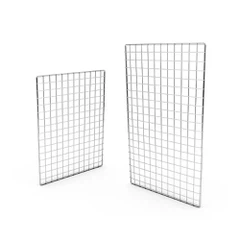
How to adjust the tension of a mesh panel?
Jun 13, 2025
Leave a message
As a seasoned supplier of mesh panels, I've encountered numerous inquiries regarding the proper adjustment of mesh panel tension. It's a crucial aspect that significantly impacts the functionality, durability, and overall performance of the mesh panels. In this blog post, I'll share some valuable insights and practical steps on how to adjust the tension of a mesh panel effectively.
Understanding the Importance of Mesh Panel Tension
Before delving into the adjustment process, it's essential to understand why maintaining the right tension in a mesh panel is so important. Proper tension ensures that the mesh panel remains stable and secure, preventing sagging, wrinkling, or excessive movement. This is particularly crucial in applications where the mesh panel is used to support heavy loads, such as in industrial settings or for agricultural purposes.
Moreover, the correct tension helps to distribute the load evenly across the mesh panel, reducing the risk of stress concentration and premature wear and tear. It also enhances the aesthetic appeal of the mesh panel, giving it a neat and professional appearance.
Tools and Materials Required
To adjust the tension of a mesh panel, you'll need a few essential tools and materials. Here's a list of what you'll typically require:
- Tensioning Tools: Depending on the type of mesh panel and the specific application, you may need tools such as pliers, wire cutters, tensioning bars, or ratchet straps. These tools will help you apply the necessary force to tighten or loosen the mesh panel.
- Measuring Devices: A tape measure or a ruler can be useful for accurately measuring the dimensions of the mesh panel and ensuring that the tension is evenly distributed.
- Anchoring Materials: To secure the mesh panel in place, you'll need appropriate anchoring materials such as screws, bolts, or clips. Make sure to choose materials that are compatible with the type of surface where the mesh panel will be installed.
- Safety Equipment: Always prioritize safety when working with mesh panels. Wear protective gloves, safety glasses, and appropriate clothing to prevent injuries.
Step-by-Step Guide to Adjusting Mesh Panel Tension
Now that you have the necessary tools and materials, let's walk through the step-by-step process of adjusting the tension of a mesh panel:
Step 1: Inspect the Mesh Panel
Before making any adjustments, carefully inspect the mesh panel for any signs of damage, such as torn wires, loose connections, or excessive wear. If you notice any issues, it's important to address them before proceeding with the tension adjustment.
Step 2: Determine the Ideal Tension
The ideal tension for a mesh panel depends on several factors, including the type of mesh, the application, and the specific requirements of the project. In general, the mesh panel should be taut enough to prevent sagging or excessive movement, but not so tight that it causes the wires to break or the panel to warp.
To determine the ideal tension, you can refer to the manufacturer's guidelines or consult with a professional. You can also use a tension gauge or a simple visual inspection to assess the tension level.
Step 3: Loosen the Anchoring Points
If the mesh panel is already installed, you'll need to loosen the anchoring points to allow for adjustment. Use the appropriate tools to remove the screws, bolts, or clips that are holding the mesh panel in place.
Step 4: Apply Tension
Once the anchoring points are loosened, you can start applying tension to the mesh panel. Depending on the type of mesh panel and the available tools, you can use different methods to apply tension. Here are some common techniques:
- Using Tensioning Bars: If the mesh panel has built-in tensioning bars, you can use a wrench or a pliers to turn the bars and tighten the mesh. Make sure to apply the tension evenly across the panel to prevent uneven stretching.
- Using Ratchet Straps: Ratchet straps are a versatile and effective way to apply tension to a mesh panel. Simply attach the ratchet straps to the edges of the mesh panel and tighten them using the ratchet mechanism. Again, ensure that the tension is evenly distributed.
- Manual Tightening: For smaller mesh panels or in situations where tensioning tools are not available, you can manually tighten the mesh by pulling on the edges of the panel. Use your hands or a pair of pliers to grip the wires and apply gentle but firm pressure.
Step 5: Check the Tension
As you apply tension to the mesh panel, periodically check the tension level to ensure that it is within the desired range. You can use a tension gauge or a simple visual inspection to assess the tension. If the tension is too loose, continue applying tension until the desired level is reached. If the tension is too tight, loosen the tension slightly to avoid damaging the mesh panel.
Step 6: Secure the Mesh Panel
Once the desired tension is achieved, it's time to secure the mesh panel in place. Use the appropriate anchoring materials to reattach the mesh panel to the surface. Make sure to tighten the screws, bolts, or clips securely to prevent the mesh panel from loosening over time.
Step 7: Final Inspection
After securing the mesh panel, conduct a final inspection to ensure that everything is in place and the tension is evenly distributed. Check for any signs of sagging, wrinkling, or uneven stretching. If necessary, make any additional adjustments to the tension.
Additional Tips and Considerations
- Follow the Manufacturer's Guidelines: Always refer to the manufacturer's guidelines and recommendations when adjusting the tension of a mesh panel. Different types of mesh panels may have specific requirements and limitations, so it's important to follow the instructions carefully.
- Take Your Time: Adjusting the tension of a mesh panel can be a time-consuming process, especially for larger panels or in complex applications. Take your time and be patient to ensure that the tension is adjusted correctly.
- Seek Professional Help if Needed: If you're unsure about how to adjust the tension of a mesh panel or if you encounter any difficulties during the process, don't hesitate to seek professional help. A qualified installer or a mesh panel expert can provide valuable guidance and assistance.
Related Products
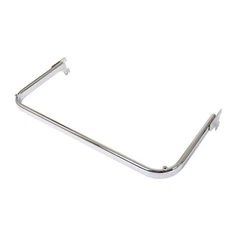
If you're in the market for high-quality mesh panels or related accessories, we offer a wide range of products to meet your needs. Check out our Metal Mesh Grid Panel Accessory, Steel Wire Panels, and Gridwall Hooks for more information.


Conclusion
Adjusting the tension of a mesh panel is a critical step in ensuring its proper functionality and longevity. By following the steps outlined in this blog post and using the right tools and techniques, you can achieve the ideal tension for your mesh panel and enjoy its benefits for years to come.
If you have any questions or need further assistance with mesh panel tension adjustment or any other aspect of our products, please don't hesitate to contact us. We're here to help you find the best solutions for your needs.
References
- Manufacturer's guidelines for mesh panels
- Industry standards and best practices for mesh panel installation and tension adjustment
Send Inquiry