

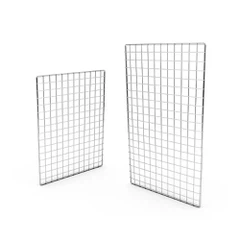
How to choose a mesh panel?
Oct 28, 2025
Leave a message
When it comes to selecting a mesh panel, there are numerous factors to consider. As a seasoned mesh panel supplier, I've witnessed firsthand the diverse needs and preferences of our customers. In this blog post, I'll share some valuable insights to help you make an informed decision when choosing the right mesh panel for your specific requirements.
Understanding Your Needs
The first step in choosing a mesh panel is to clearly define your needs. Mesh panels are used in a wide range of applications, from industrial settings to decorative purposes. Are you looking for a panel to provide security in a warehouse, or perhaps you need it for a retail display? Understanding the intended use will narrow down your options and guide you towards the most suitable type of mesh panel.
For industrial applications, durability and strength are often top priorities. You'll need a panel that can withstand heavy loads, harsh environments, and frequent use. On the other hand, if you're using the mesh panel for decorative purposes, aesthetics may be more important. In this case, you might be looking for a panel with a unique design or finish that complements your space.
Material Matters
The material of the mesh panel plays a crucial role in its performance and longevity. There are several common materials used in mesh panel manufacturing, each with its own set of advantages and disadvantages.
- Steel: Steel mesh panels are known for their strength and durability. They are resistant to corrosion, making them suitable for outdoor and industrial applications. Steel panels can be galvanized or powder-coated for additional protection. You can explore our Steel Wire Panels for high-quality steel options.
- Aluminum: Aluminum mesh panels are lightweight and corrosion-resistant. They are a popular choice for applications where weight is a concern, such as in aircraft or automotive industries. Aluminum panels are also easy to install and maintain.
- Stainless Steel: Stainless steel mesh panels offer excellent corrosion resistance and a sleek, modern appearance. They are often used in food processing, pharmaceutical, and marine applications where hygiene and durability are essential.
Mesh Size and Pattern
The mesh size and pattern of the panel are important considerations, as they can affect the panel's functionality and appearance. The mesh size refers to the distance between the wires or strands in the panel. A smaller mesh size provides greater security and privacy, while a larger mesh size allows for better visibility and airflow.
The mesh pattern can also vary, with options such as square, rectangular, diamond, or hexagonal patterns. The pattern you choose will depend on your specific needs and aesthetic preferences. For example, a square pattern is often used for fencing and security applications, while a diamond pattern can add a decorative touch to a space.
Finish and Coating
The finish and coating of the mesh panel can enhance its appearance and protect it from the elements. There are several types of finishes and coatings available, each with its own benefits.
- Galvanized: Galvanized mesh panels are coated with a layer of zinc to protect them from corrosion. This is a common finish for outdoor and industrial applications.
- Powder-Coated: Powder-coated mesh panels are coated with a dry powder that is electrostatically applied and then cured in an oven. This provides a durable and attractive finish that is available in a wide range of colors.
- Anodized: Anodized aluminum mesh panels are treated with an electrochemical process to create a protective oxide layer on the surface. This enhances the panel's corrosion resistance and gives it a smooth, uniform appearance.
Installation and Maintenance
When choosing a mesh panel, it's important to consider the installation and maintenance requirements. Some panels are easier to install than others, and some may require special tools or equipment. Additionally, the maintenance requirements of the panel will depend on the material, finish, and environment in which it is used.
For example, a galvanized steel mesh panel may require periodic cleaning to remove dirt and debris, while a powder-coated panel may need to be touched up if the coating is damaged. It's important to choose a panel that you can easily install and maintain to ensure its long-term performance.
Compatibility with Accessories
If you plan to use accessories with your mesh panel, such as hooks or brackets, it's important to ensure that the panel is compatible. Different panels may have different attachment methods or require specific types of accessories.
For example, if you're using a mesh panel for a retail display, you may need to use Gridwall Hooks to hang merchandise. Make sure the panel you choose is designed to work with the accessories you need.
Cost and Budget
Of course, cost is always a factor when making a purchasing decision. The cost of a mesh panel will depend on several factors, including the material, size, finish, and quantity. It's important to set a budget and compare prices from different suppliers to ensure you're getting the best value for your money.
However, it's also important to remember that the cheapest option may not always be the best. Investing in a high-quality mesh panel that meets your needs and lasts longer can save you money in the long run.
Quality and Certification
When choosing a mesh panel, it's important to choose a supplier that offers high-quality products. Look for a supplier that has a good reputation and offers products that are certified to meet industry standards.
Certification can provide assurance that the panel has been tested and meets certain quality and safety requirements. For example, a panel that is certified to meet ASTM standards has been tested for strength, durability, and corrosion resistance.
Customization Options
If you have specific requirements or unique design ideas, look for a supplier that offers customization options. Many suppliers can customize mesh panels to meet your exact specifications, including size, shape, mesh pattern, finish, and color.


Customization can allow you to create a mesh panel that is tailored to your specific needs and enhances the functionality and appearance of your space.
Conclusion
Choosing the right mesh panel requires careful consideration of your needs, material, mesh size and pattern, finish and coating, installation and maintenance requirements, compatibility with accessories, cost and budget, quality and certification, and customization options. By taking the time to evaluate these factors and working with a reputable supplier, you can select a mesh panel that meets your needs and provides long-lasting performance.
If you're interested in learning more about our mesh panel products or have any questions, please don't hesitate to contact us. We're here to help you find the perfect mesh panel for your project.
References
- ASTM International. (n.d.). ASTM Standards. Retrieved from [Website]
- American Galvanizers Association. (n.d.). Galvanizing 101. Retrieved from [Website]
- Powder Coating Institute. (n.d.). Powder Coating Basics. Retrieved from [Website]
Send Inquiry