

How to secure gridwall hooks more firmly?
Dec 02, 2025
Leave a message
Hey there! As a supplier of Gridwall Hooks, I've seen firsthand how crucial it is to secure these hooks firmly. Whether you're running a retail store, a craft workshop, or just organizing your garage, a well - secured gridwall hook can make all the difference. In this blog, I'll share some tips and tricks on how to ensure your gridwall hooks stay put and do their job effectively.
Understanding the Basics of Gridwall Hooks
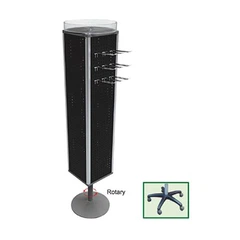
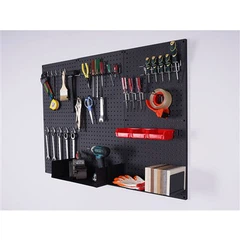
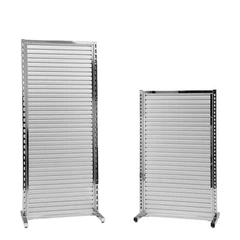
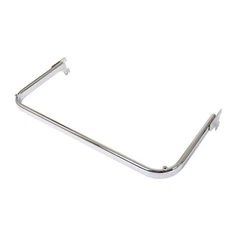
First things first, let's talk a bit about what gridwall hooks are. Gridwall hooks are designed to be used with Gridwall Mesh Stand and Metal Mesh Grid Panel Accessory. They come in various shapes and sizes, from simple S - hooks to more specialized ones for hanging clothes, tools, or small items.
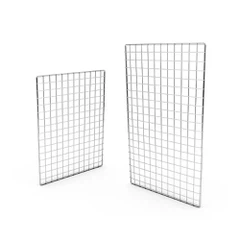
The gridwall itself is a metal mesh panel with evenly spaced holes. The hooks are inserted into these holes to create a customizable display or storage system. But if they're not secured properly, they can easily fall out, causing items to drop and potentially get damaged.
Choosing the Right Hooks
The first step in securing gridwall hooks more firmly is to choose the right ones for your needs. There are different types of hooks available, and each has its own advantages.
- S - Hooks: These are the most common type of gridwall hooks. They're simple, easy to use, and can be used for a variety of items. However, they may not be the most secure option for heavy items. If you're using S - hooks, make sure they fit snugly into the gridwall holes. You can test this by gently wiggling the hook after inserting it. If it moves too much, it might not hold up well under weight.
- J - Hooks: J - hooks are great for hanging items like clothes hangers or long tools. They have a curved shape that helps keep the items in place. When choosing J - hooks, look for ones with a wide base that fits securely into the gridwall holes.
- Multi - Purpose Hooks: These hooks are designed to hold multiple items at once. They can be a great space - saver, but they also need to be well - secured. Some multi - purpose hooks come with additional locking mechanisms or are made of stronger materials to ensure they stay in place.
Preparing the Gridwall Panel
Before inserting the hooks, it's important to prepare the gridwall panel.
- Clean the Panel: Dirt, dust, and debris can prevent the hooks from fitting properly into the holes. Use a clean cloth or a mild cleaning solution to wipe down the gridwall panel. Make sure to dry it thoroughly before inserting the hooks.
- Inspect the Holes: Check the holes in the gridwall panel for any damage or deformation. If a hole is too large or misshapen, the hook may not fit securely. In some cases, you may be able to use a small file to smooth out any rough edges or reshape the hole slightly.
Inserting the Hooks Correctly
Once you've chosen the right hooks and prepared the gridwall panel, it's time to insert the hooks.
- Align the Hook: Make sure the hook is aligned properly with the hole in the gridwall panel. For most hooks, the straight part of the hook should be inserted first.
- Push Firmly: Insert the hook into the hole and push it firmly until it's fully seated. You may need to use a bit of force, especially for thicker or sturdier hooks. But be careful not to use too much force, as this could damage the hook or the gridwall panel.
- Check the Fit: After inserting the hook, give it a gentle tug to make sure it's secure. If it comes out easily, try inserting it again or using a different hook.
Using Additional Securing Methods
In some cases, you may need to use additional methods to secure the gridwall hooks more firmly.


- Locking Clips: There are locking clips available that can be used to hold the hooks in place. These clips are usually made of plastic or metal and fit over the hook after it's inserted into the gridwall. They provide an extra layer of security, especially for heavy or valuable items.
- Adhesive: For hooks that need to be extra secure, you can use a small amount of adhesive. There are special adhesives designed for use with metal surfaces. Apply a small amount of adhesive to the part of the hook that goes into the gridwall hole, and then insert the hook. Make sure to follow the manufacturer's instructions for the adhesive, including drying time.
- Wire or Cable Ties: If you're hanging a large number of items on a hook or if the items are very heavy, you can use wire or cable ties to secure the hook to the gridwall. Wrap the wire or cable tie around the hook and the gridwall panel, and then tighten it. This will help prevent the hook from pulling out of the hole.
Distributing the Weight
Another important factor in securing gridwall hooks is to distribute the weight evenly. If you load too much weight on one hook, it's more likely to fall out.
- Use Multiple Hooks: Instead of hanging all your items on one hook, use multiple hooks to spread the weight. For example, if you're hanging a heavy toolbox, you can use two or three hooks to support it.
- Balance the Load: When arranging your items on the hooks, try to balance the weight on each side. This will help prevent the hooks from tilting or pulling out of the gridwall.
Regular Maintenance
Once you've secured your gridwall hooks, it's important to perform regular maintenance to ensure they stay in place.
- Check the Hooks Periodically: Take a few minutes every week or so to check the hooks for any signs of wear or damage. If you notice a hook that's loose or damaged, replace it immediately.
- Tighten Loose Hooks: Over time, the hooks may become loose due to normal use. If you find a loose hook, try pushing it back into the gridwall hole more firmly. If it still doesn't stay in place, you may need to use one of the additional securing methods mentioned above.
Conclusion
Securing gridwall hooks more firmly is essential for creating a safe and functional display or storage system. By choosing the right hooks, preparing the gridwall panel, inserting the hooks correctly, using additional securing methods, distributing the weight evenly, and performing regular maintenance, you can ensure that your hooks stay in place and hold up well under weight.
If you're interested in purchasing high - quality Gridwall Hooks, Gridwall Mesh Stand, or Metal Mesh Grid Panel Accessory, feel free to reach out for a procurement discussion. We're here to help you find the best solutions for your needs.
References
- Gridwall display systems: A practical guide. (Author unknown). Retail Display Magazine.
- Tips for securing gridwall hooks. (Author unknown). Storage Solutions Blog.
Send Inquiry