

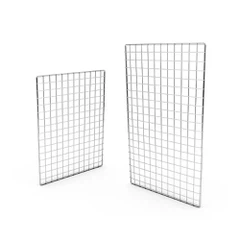
Is metal mesh suitable for food contact applications?
Jun 17, 2025
Leave a message
Is metal mesh suitable for food contact applications? This is a question that often arises in the food industry, and as a metal mesh supplier, I'm here to delve into this topic comprehensively.
1. Properties of Metal Mesh
Metal mesh is typically made from various metals such as stainless steel, aluminum, and copper. Each metal has its own unique properties that can influence its suitability for food contact.
Stainless steel is one of the most commonly used metals for food - related applications. It is highly resistant to corrosion, which means it won't rust or degrade when in contact with food and moisture. This is crucial as rust can contaminate food and pose health risks. Stainless steel also has excellent mechanical strength, allowing it to withstand the rigors of food processing, such as high - pressure washing and exposure to various cleaning agents.
Aluminum is lightweight and has good thermal conductivity. This makes it useful in applications where heat transfer is important, like in some food - baking or cooking processes. However, aluminum can react with acidic foods, which may lead to the leaching of aluminum into the food. Therefore, it usually needs to be coated or anodized when used for food contact.
Copper is known for its superior heat conductivity. In the past, it was widely used in cooking utensils. But copper can be toxic in high doses, and it also reacts with certain foods, especially acidic ones. So, like aluminum, copper used for food contact often requires a protective coating.
2. Advantages of Using Metal Mesh in Food Contact Applications
Hygiene
One of the major advantages of metal mesh in food contact applications is its hygiene. Metal mesh can be easily cleaned and sanitized. It can withstand high - temperature washing and the use of strong disinfectants. The open structure of the mesh allows water and cleaning agents to pass through easily, ensuring that all surfaces are thoroughly cleaned. This helps prevent the growth of bacteria, mold, and other microorganisms that can contaminate food.
Durability
Metal mesh is extremely durable. It can last for a long time even under harsh conditions. In food processing plants, where there is constant wear and tear from moving parts, heavy loads, and exposure to various chemicals, metal mesh can maintain its integrity. This reduces the need for frequent replacements, which can save costs in the long run.
Versatility
Metal mesh comes in a wide range of sizes and configurations. This makes it suitable for a variety of food - related applications. For example, fine - mesh metal can be used for sieving and filtering food products, while larger - mesh metal can be used for conveying and draining. It can also be formed into different shapes, such as baskets, trays, and conveyor belts, to meet specific needs in the food industry.
3. Potential Concerns and Challenges
Metal Migration
As mentioned earlier, some metals can migrate into food under certain conditions. This is a concern because the presence of excessive amounts of metals in food can be harmful to human health. For example, lead, which may be present as an impurity in some metals, can cause neurological problems, especially in children. To address this issue, strict regulations have been put in place to limit the amount of metal migration. As a metal mesh supplier, we ensure that our products comply with these regulations by using high - quality metals and appropriate coating technologies.
Contamination Risks
Although metal mesh is generally easy to clean, there is still a risk of contamination if not properly maintained. Small particles of food or debris can get trapped in the mesh, providing a breeding ground for bacteria. Additionally, if the metal mesh comes into contact with other contaminants, such as chemicals or foreign objects, it can transfer these contaminants to the food. Regular inspection and maintenance are essential to minimize these risks.
4. Applications of Metal Mesh in the Food Industry
Food Processing
In food processing plants, metal mesh is widely used in various stages of production. For example, it is used in conveyor belts to transport food products from one processing station to another. The open structure of the mesh allows for proper ventilation and drainage, which is important for maintaining the quality of the food. Metal mesh sieves are also used to separate different sizes of food particles, ensuring a consistent product quality.
Food Storage
Metal mesh baskets and trays are commonly used for food storage. They provide good air circulation, which helps prevent the growth of mold and mildew. For example, fruits and vegetables can be stored in metal mesh baskets to keep them fresh for longer periods.
Food Display
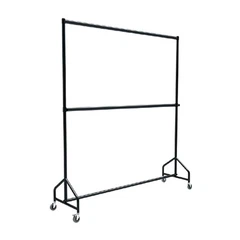
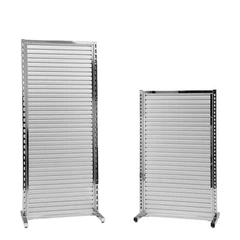
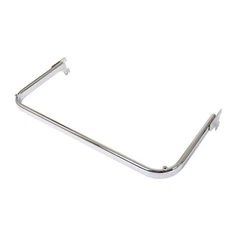
Metal mesh can also be used for food display purposes. It can be used to create attractive and functional display units. For instance, Slatwall Clothing Display Bar can be adapted to display food products in a supermarket or a deli. Similarly, Slatted Metal Brackets for Glass Shelves can be used to support glass shelves for food display. And Tabletop Jewelry Display concepts can be modified for presenting small food items in an appealing way.


5. Compliance with Regulations
The food industry is highly regulated, and any material used for food contact must comply with relevant standards. In the United States, the Food and Drug Administration (FDA) has established strict guidelines for materials that come into contact with food. These guidelines cover aspects such as the type of metal, coating materials, and allowable levels of metal migration. In the European Union, the European Food Safety Authority (EFSA) has similar regulations.
As a metal mesh supplier, we are committed to ensuring that our products meet all the necessary regulatory requirements. We work closely with our customers to provide them with the right metal mesh products for their specific food - contact applications, while also ensuring compliance with local and international regulations.
6. Conclusion and Call to Action
In conclusion, metal mesh can be a suitable choice for food contact applications, provided that the right type of metal is selected, and proper precautions are taken to address potential concerns. Its advantages in terms of hygiene, durability, and versatility make it a valuable asset in the food industry.
If you are in the food industry and are looking for high - quality metal mesh products for your food contact applications, we are here to help. Our team of experts can assist you in choosing the most appropriate metal mesh based on your specific needs and regulatory requirements. We offer a wide range of metal mesh products that are designed to meet the highest standards of quality and safety.
Contact us today to start a procurement discussion and find out how our metal mesh can enhance your food - related operations.
References
- "Food Contact Materials: A Review of Regulations and Safety Considerations" by International Journal of Food Science and Technology.
- "Metals in Food: Sources, Contamination, and Health Effects" by Journal of Food Protection.
- "The Use of Metal Mesh in the Food Industry: Advantages and Challenges" by Food Processing Magazine.
Send Inquiry