


What are the advantages and disadvantages of plastic hang rails for clothes?
May 12, 2025
Leave a message
Plastic hang rails for clothes have become a popular choice in the retail and household storage sectors. As a supplier of hang rails for clothes, I've witnessed firsthand the various impacts these products have on users. In this blog, I'll explore the advantages and disadvantages of plastic hang rails for clothes, providing a comprehensive analysis to help you make an informed decision.
Advantages of Plastic Hang Rails for Clothes
1. Cost - Effectiveness
One of the most significant advantages of plastic hang rails is their cost - effectiveness. Compared to metal or wooden hang rails, plastic is generally much cheaper to produce. This lower production cost is passed on to the consumers, making plastic hang rails an affordable option for both small businesses and individual customers. For retailers on a tight budget, plastic hang rails can be a great solution to outfit their stores with a large number of hang rails without breaking the bank. In addition, for homeowners looking to organize their closets, plastic hang rails offer an economical way to add extra hanging space.
2. Lightweight
Plastic hang rails are extremely lightweight. This makes them easy to handle during installation. Whether you're a professional installer or a DIY enthusiast, you won't have to struggle with heavy materials. The lightweight nature also reduces the stress on the supporting structures. For example, if you're installing a hang rail in a closet with weaker walls, a plastic hang rail won't put as much strain on the wall as a metal one. Moreover, it's easier to move and re - position plastic hang rails if you decide to rearrange your storage space in the future.
3. Corrosion Resistance
Unlike metal hang rails, plastic is not susceptible to corrosion. This is especially important in environments where there is high humidity, such as basements or laundry rooms. In these areas, metal hang rails can rust over time, which not only looks unsightly but also weakens the structure. Plastic hang rails, on the other hand, can withstand moisture without deteriorating. This makes them a reliable choice for long - term use in damp conditions, ensuring that your clothes hangers and the hang rail itself remain in good condition.
4. Design Flexibility
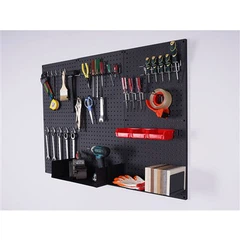
Plastic can be easily molded into various shapes and sizes. This allows for a wide range of design options when it comes to hang rails. You can find plastic hang rails with different profiles, such as curved or straight designs, to suit different aesthetic preferences and storage needs. Some plastic hang rails also come with additional features, like built - in hooks or dividers, which can help you organize your clothes more efficiently. For example, the Perforated Metal Shelving style can offer a unique look while still providing practical hanging space.
5. Noise Reduction
When clothes hangers move along a plastic hang rail, they generally produce less noise compared to metal hang rails. This can be a significant advantage, especially in a quiet environment like a bedroom or a library. The smooth surface of plastic reduces the friction between the hangers and the rail, resulting in a quieter operation. This is particularly beneficial if you frequently need to access your clothes early in the morning or late at night without disturbing others.
Disadvantages of Plastic Hang Rails for Clothes
1. Lower Durability
One of the main drawbacks of plastic hang rails is their relatively lower durability compared to metal or wooden hang rails. Plastic can be prone to cracking or breaking under heavy loads. If you plan to hang heavy winter coats or a large number of clothes on the rail, there is a higher risk of the plastic rail bending or snapping. Over time, the constant movement of hangers can also cause wear and tear on the plastic surface, leading to a shorter lifespan for the hang rail.
2. Limited Weight Capacity
Due to their lower strength, plastic hang rails have a limited weight capacity. They are best suited for lightweight clothing items such as shirts, blouses, and summer dresses. If you try to overload a plastic hang rail with heavy items like thick jackets or multiple layers of clothes, it may not be able to support the weight. This can lead to the rail sagging or even collapsing, which can damage your clothes and create a safety hazard.
3. Aesthetic Limitations
While plastic hang rails offer some design flexibility, they may not have the same high - end look as metal or wooden hang rails. Plastic can sometimes look cheap or artificial, especially in more upscale retail environments or high - end homes. In a luxury clothing store, for example, a plastic hang rail may not convey the same sense of quality and sophistication as a polished metal or a beautifully finished wooden rail.
4. Environmental Concerns
Plastic is a non - biodegradable material, which means it can have a negative impact on the environment. When plastic hang rails reach the end of their lifespan, they often end up in landfills, where they can take hundreds of years to decompose. Additionally, the production of plastic involves the use of fossil fuels, which contributes to environmental pollution and climate change. As consumers become more environmentally conscious, the environmental impact of plastic hang rails is becoming an increasingly important consideration.

5. Susceptibility to Heat and UV Damage
Plastic can be affected by heat and ultraviolet (UV) rays. Exposure to direct sunlight or high temperatures can cause the plastic to warp, fade, or become brittle. In a storefront window or a room with a lot of sunlight, a plastic hang rail may start to degrade over time. This can not only affect the appearance of the hang rail but also its functionality, as a warped rail may not allow the hangers to move smoothly.
Conclusion
In conclusion, plastic hang rails for clothes have both advantages and disadvantages. Their cost - effectiveness, lightweight nature, corrosion resistance, design flexibility, and noise - reduction properties make them a popular choice for many applications. However, their lower durability, limited weight capacity, aesthetic limitations, environmental concerns, and susceptibility to heat and UV damage are factors that need to be considered.
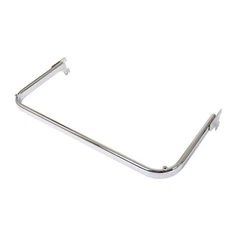
As a supplier of hang rails for clothes, we understand the importance of providing products that meet the diverse needs of our customers. We offer a variety of hang rails, including plastic, metal, and wooden options. If you're interested in our Hangrail or Waterfall Faceout products, we encourage you to contact us for more information and to discuss your specific requirements. Whether you're a retailer looking to optimize your store layout or a homeowner seeking to organize your closet, we're here to help you find the perfect hang rail solution.

References
- "Materials and Design for Storage Systems" by Storage Solutions Institute
- "The Impact of Environmental Factors on Plastic Products" in Journal of Material Science and Engineering
Send Inquiry