


What is the average length of a rolling clothes rack?
Jul 22, 2025
Leave a message
When it comes to the world of retail, fashion, or even home organization, rolling clothes racks have become an indispensable tool. They offer flexibility, mobility, and efficient storage solutions for clothing items. One common question that often arises is, "What is the average length of a rolling clothes rack?" In this blog post, we'll delve into this topic, exploring various factors that influence the length of these racks and providing insights based on industry standards and common usage scenarios. As a rolling clothes rack supplier, I've had the opportunity to work with a wide range of clients and understand their diverse needs.
Understanding the Basics of Rolling Clothes Racks
Rolling clothes racks come in a variety of shapes, sizes, and designs, each tailored to specific requirements. Some are designed for small-scale home use, while others are built to withstand the demands of commercial environments such as boutiques, department stores, and warehouses. The length of a rolling clothes rack is a crucial factor that determines its capacity and functionality.
Factors Influencing the Length of Rolling Clothes Racks
- Intended Use: The primary purpose of the rolling clothes rack plays a significant role in determining its length. For home use, a shorter rack may be sufficient to store a few seasonal items or hang daily wear. On the other hand, commercial establishments require longer racks to accommodate a larger inventory of clothing. For example, a small boutique may opt for a rack that is around 4 - 6 feet in length to display a curated selection of garments, while a large department store may need racks that are 8 - 12 feet or even longer to showcase a wide range of products.
- Available Space: The physical space where the rolling clothes rack will be placed is another important consideration. In a cramped closet or a small retail space, a shorter rack may be more practical to ensure easy maneuverability and efficient use of space. Conversely, in a spacious warehouse or a large showroom, longer racks can be used to maximize storage capacity and create a more organized display.
- Clothing Type and Quantity: The type of clothing being stored or displayed on the rack also affects its length. If you're dealing with long coats, gowns, or dresses, you'll need a rack with enough space to hang these items without them touching the ground. Additionally, the quantity of clothing you need to store or display will determine the overall length of the rack. For instance, if you have a large collection of shirts or pants, a longer rack will provide more hanging space.
Average Lengths of Different Types of Rolling Clothes Racks
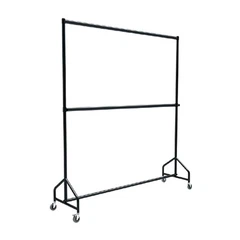
- Home Use Rolling Clothes Racks: For home use, the average length of a rolling clothes rack typically ranges from 3 - 6 feet. These racks are often lightweight and easy to move around, making them ideal for storing seasonal clothing, workout gear, or children's clothes. They can be placed in closets, bedrooms, or even in the garage. Some popular options for home use include Double Clothes Rail On Wheels, which offer additional hanging space with two levels of rails.
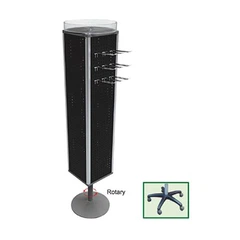
- Commercial Rolling Clothes Racks: In commercial settings, the average length of a rolling clothes rack can vary widely depending on the size and nature of the business. Smaller boutiques and specialty stores may use racks that are 4 - 8 feet in length, while larger department stores and warehouses may opt for racks that are 10 - 12 feet or longer. Round Commercial Clothing Racks are a popular choice for commercial establishments as they provide a 360-degree display and can accommodate a large number of garments.
- Retail Shirt Racks: Retail shirt racks are designed specifically to display shirts in an organized and visually appealing manner. These racks typically range in length from 3 - 6 feet, depending on the number of shirts they need to hold. Retail Shirt Rack often come with features such as adjustable hangers, dividers, and signage holders to enhance the display of shirts.
Industry Standards and Guidelines
While there is no one-size-fits-all answer to the question of the average length of a rolling clothes rack, there are some industry standards and guidelines that can help you make an informed decision. In general, the clothing industry recommends a minimum of 12 - 18 inches of hanging space per garment to ensure proper ventilation and prevent wrinkling. This means that if you're planning to store or display a large number of clothing items, you'll need a rack with a sufficient length to provide adequate hanging space.
Customization Options
At our company, we understand that every client has unique requirements when it comes to rolling clothes racks. That's why we offer a wide range of customization options to ensure that you get the perfect rack for your needs. Whether you need a specific length, width, or height, we can work with you to design and manufacture a rolling clothes rack that meets your exact specifications. We also offer a variety of finishes, colors, and materials to choose from, allowing you to create a rack that complements your existing decor or branding.
Conclusion
In conclusion, the average length of a rolling clothes rack depends on several factors, including intended use, available space, clothing type and quantity, and industry standards. By considering these factors and understanding your specific requirements, you can choose a rolling clothes rack that is the right length for your needs. Whether you're a homeowner looking to organize your closet or a business owner in need of a commercial-grade rack, we're here to help. If you're interested in learning more about our rolling clothes racks or would like to discuss your specific requirements, please don't hesitate to contact us. We look forward to working with you to find the perfect solution for your clothing storage and display needs.


References
- Clothing Retailer's Handbook: Best Practices for Store Design and Merchandising
- Interior Design Magazine: Space Planning for Retail and Residential Spaces
- Textile and Apparel Industry Research Report: Trends in Clothing Storage and Display Solutions
Send Inquiry