



What is the chemical composition of the Modern Double Hook?
Sep 09, 2025
Leave a message
The modern double hook is a remarkable and versatile product that has found widespread use in various industries and applications. As a leading supplier of modern double hooks, I am often asked about the chemical composition of these essential items. In this blog post, I will delve into the details of the chemical makeup of modern double hooks, exploring the materials used, their properties, and how they contribute to the performance and durability of these hooks.
Understanding the Basics of Modern Double Hooks
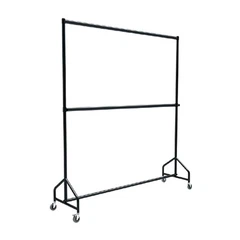
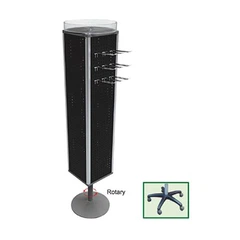
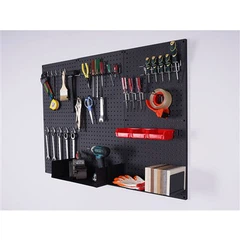
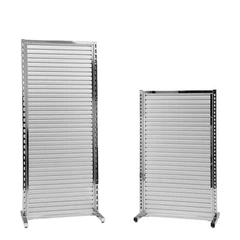
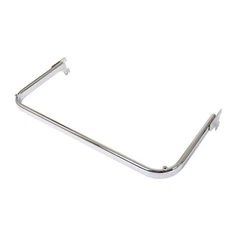
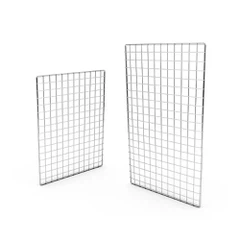
Before we discuss the chemical composition, it's important to understand what modern double hooks are and where they are used. Double hooks are designed with two hooks on a single unit, which provides enhanced functionality and flexibility compared to single hooks. They are commonly used in retail displays, industrial storage, and even in some home organization setups. For example, Gridwall Hooks often incorporate double hooks to hang multiple items efficiently. These hooks can be attached to Steel Wire Panels or Gridwall Mesh Stand to create versatile display or storage systems.
Common Materials Used in Modern Double Hooks
The chemical composition of modern double hooks depends largely on the materials from which they are made. The most common materials include steel, stainless steel, and sometimes plastic. Each material has its own unique chemical makeup and properties that make it suitable for different applications.
Steel
Steel is one of the most widely used materials for double hooks. It is an alloy primarily composed of iron (Fe) and carbon (C), with small amounts of other elements such as manganese (Mn), silicon (Si), sulfur (S), and phosphorus (P). The carbon content in steel can vary, typically ranging from 0.03% to 1.7%. The presence of carbon is crucial as it significantly affects the hardness and strength of the steel. A higher carbon content generally results in a harder and stronger steel, but it also makes the steel more brittle.
Manganese is added to steel to improve its strength and toughness. It helps to form a stable structure within the steel, reducing the brittleness caused by sulfur. Silicon is used as a deoxidizer during the steel - making process, which helps to remove oxygen from the molten steel and improve its purity. Sulfur and phosphorus are usually considered impurities, but they are present in small amounts. High levels of sulfur can cause the steel to become brittle at high temperatures, while phosphorus can increase the hardness and brittleness at low temperatures.
The chemical properties of steel make it an excellent choice for double hooks. Its high strength allows it to support heavy loads, while its relative affordability makes it a cost - effective option for large - scale applications. However, steel is prone to rusting, especially in humid or corrosive environments.
Stainless Steel
Stainless steel is another popular material for modern double hooks, especially in applications where corrosion resistance is crucial. Stainless steel is also an alloy based on iron, but it contains a significant amount of chromium (Cr), usually at least 10.5%. Chromium forms a thin, passive oxide layer on the surface of the stainless steel, which protects it from corrosion. This oxide layer is self - healing, meaning that if it is damaged, it will reform in the presence of oxygen.
In addition to chromium, stainless steel may also contain nickel (Ni), molybdenum (Mo), and other elements. Nickel improves the ductility and toughness of the stainless steel, while molybdenum enhances its corrosion resistance, especially in environments containing chlorides. The exact composition of stainless steel can vary depending on the grade. For example, a common grade of stainless steel used in double hooks is 304 stainless steel, which typically contains about 18% chromium and 8% nickel.
Stainless steel double hooks are more expensive than steel hooks, but they offer superior corrosion resistance, making them ideal for outdoor applications or in areas with high humidity. They also have a more attractive appearance, which is beneficial for retail displays.
Plastic
Plastic double hooks are less common but are used in some specific applications. The chemical composition of plastic depends on the type of polymer used. For example, polypropylene (PP) is a thermoplastic polymer composed of propylene monomers. It is lightweight, resistant to many chemicals, and has good flexibility. Polycarbonate (PC) is another type of plastic that is known for its high impact resistance and transparency.
Plastic double hooks are often used in applications where weight is a concern or where a non - metallic material is required. They are also more affordable than metal hooks in some cases. However, plastic hooks generally have lower load - bearing capacity compared to metal hooks and may not be suitable for heavy - duty applications.
How Chemical Composition Affects Performance
The chemical composition of modern double hooks directly affects their performance in various ways.
Strength and Load - Bearing Capacity
As mentioned earlier, the carbon content in steel and the alloying elements in stainless steel play a crucial role in determining the strength of the hooks. Hooks made from high - strength steel or stainless steel can support heavier loads without deforming or breaking. For example, in an industrial storage facility where heavy items need to be hung, steel or stainless steel double hooks are preferred due to their high strength.
Corrosion Resistance
The presence of chromium in stainless steel provides excellent corrosion resistance. In a retail environment where the hooks may be exposed to moisture from cleaning or changes in humidity, stainless steel double hooks are a better choice than steel hooks, as they are less likely to rust and maintain their appearance over time. Plastic hooks, on the other hand, are generally resistant to corrosion but may degrade over time when exposed to certain chemicals or UV radiation.
Durability
The overall durability of a double hook is also influenced by its chemical composition. Steel hooks can be very durable, but they may wear out over time, especially in high - friction applications. Stainless steel hooks are more durable in corrosive environments, and plastic hooks can be durable in low - stress applications. The durability of a hook also depends on how well it is manufactured and the quality control measures in place during production.
Quality Control and Assurance
As a supplier of modern double hooks, quality control is of utmost importance. We ensure that the chemical composition of our hooks meets the required standards. For metal hooks, we use advanced testing methods such as spectroscopy to analyze the chemical composition of the raw materials. This allows us to verify that the steel or stainless steel has the correct percentage of each element.
We also conduct physical tests on the finished hooks, such as load - testing to ensure that they can support the specified weight. For plastic hooks, we test the material for its mechanical properties, such as tensile strength and impact resistance. By maintaining strict quality control, we can provide our customers with double hooks that are reliable and perform well in their intended applications.


Contact for Procurement
If you are interested in purchasing modern double hooks for your business or personal use, we would be delighted to discuss your requirements. Our team of experts can provide you with detailed information about the chemical composition, performance, and pricing of our products. Whether you need steel, stainless steel, or plastic double hooks, we have a wide range of options to meet your needs. Contact us today to start the procurement process and find the perfect double hooks for your application.
References
- ASM Handbook Committee. (2004). ASM Handbook Volume 1: Properties and Selection: Irons, Steels, and High - Performance Alloys. ASM International.
- Callister, W. D., & Rethwisch, D. G. (2010). Materials Science and Engineering: An Introduction. Wiley.
- PlasticsEurope. (2021). Plastics – The Facts 2021. PlasticsEurope.
Send Inquiry