


What is the difference between wall - mounted and free - standing store display stands?
Jul 10, 2025
Leave a message
In the world of retail, the choice between wall - mounted and free - standing store display stands can significantly impact a store's visual appeal, customer engagement, and overall sales. As a seasoned supplier of store display stands, I've witnessed firsthand the unique advantages and disadvantages of each type. In this blog post, I'll delve into the differences between wall - mounted and free - standing display stands to help you make an informed decision for your retail space.
Physical Characteristics
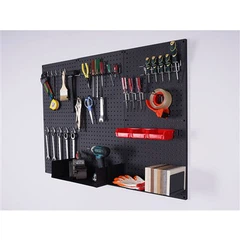
Wall - mounted display stands are affixed directly to the wall. They are a great option when floor space is limited. Since they are attached to the wall, they take up minimal floor area, which is ideal for small stores or areas within a larger store where floor space needs to be conserved. For example, in a boutique with a narrow aisle, wall - mounted stands can be used to display small items such as earrings or keychains without obstructing customer movement.
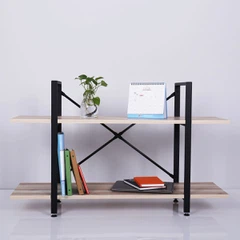
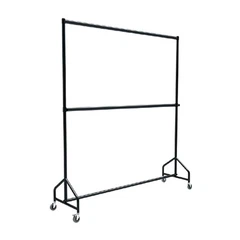
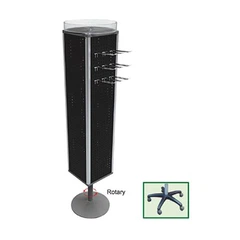
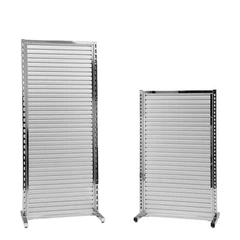
On the other hand, free - standing display stands are self - supporting structures that can be placed anywhere in the store. They come in a wide range of sizes and shapes, from tall, single - unit displays to multi - level, modular setups. Free - standing stands are highly visible and can serve as focal points in the store. For instance, a large, free - standing Floor Display Stands in the center of a department store can attract customers from afar and draw them towards a particular product line.
Installation and Mobility
Installing a wall - mounted display stand typically requires some level of expertise. You need to ensure that the wall can support the weight of the stand and its contents. Holes may need to be drilled, and proper anchoring is essential to prevent the stand from falling. Once installed, wall - mounted stands are relatively permanent fixtures. While they can be removed, it may cause some damage to the wall, and reinstallation may require additional work.
Free - standing display stands, in contrast, are generally easier to install. They often come with pre - assembled parts or can be put together quickly with basic tools. Moreover, they offer greater mobility. If you want to change the layout of your store or move a display to a different location, you can simply pick up the free - standing stand and relocate it. This flexibility is particularly useful during seasonal promotions or when you want to test different product placements.


Product Display Capacity
Wall - mounted display stands are usually limited in terms of the amount of product they can hold. Their size is constrained by the available wall space and the weight - bearing capacity of the wall. However, they are excellent for displaying small, lightweight items in an organized manner. For example, a Small Bag Stand that is wall - mounted can neatly showcase a collection of handbags, allowing customers to easily view each item.
Free - standing display stands can have a much larger display capacity. They can be designed with multiple levels, shelves, and compartments to accommodate a wide variety of products. A large, free - standing stand can display everything from clothing and shoes to large home appliances. This makes them suitable for promoting a comprehensive product range or highlighting a particular brand's offerings.
Visual Impact and Customer Interaction
Wall - mounted display stands tend to blend in with the store's background to some extent. They can create a sleek and streamlined look, especially when used to display complementary products. However, they may not grab the customer's attention as forcefully as free - standing stands. Customers may need to actively look for products on wall - mounted displays, and they may not be as likely to stop and explore the items unless they are specifically looking for something.
Free - standing display stands are more attention - grabbing. They stand out in the store environment and can draw customers in from different directions. Their prominent position makes them ideal for featuring new products, special promotions, or high - margin items. Customers are more likely to interact with free - standing displays, as they can walk around them, pick up products, and examine them more closely.
Cost Considerations
The cost of wall - mounted display stands can vary depending on the materials used, the complexity of the design, and the installation requirements. In general, they may be less expensive than large, elaborate free - standing stands. However, the cost of installation, including any necessary wall modifications, should be factored into the overall budget.
Free - standing display stands can range from relatively inexpensive, basic models to high - end, custom - made structures. The cost is influenced by factors such as size, materials, and the level of customization. While some free - standing stands can be quite costly, they may offer a better return on investment if they effectively increase product visibility and sales.
Versatility
Wall - mounted display stands are often designed for a specific purpose or type of product. For example, a Catalogue Holder Stands that is wall - mounted is mainly used to hold catalogs. They may not be easily adaptable to display different types of products without significant modification.
Free - standing display stands are more versatile. Many free - standing stands can be reconfigured to display different products. For example, a multi - level free - standing stand can be adjusted to hold clothing one month and then be modified to display electronics the next. This versatility allows retailers to make the most of their display investment over time.
Choosing the Right Display Stand for Your Store
When deciding between wall - mounted and free - standing display stands, you need to consider several factors. First, assess your store's available space. If floor space is at a premium, wall - mounted stands may be the better option. However, if you have a large, open area, free - standing stands can create a more impactful display.
Next, think about your product range. If you have small, lightweight items that need to be organized and showcased, wall - mounted stands can be effective. For larger, more diverse product lines, free - standing stands are likely to be a better choice.
Your budget is also an important consideration. Make sure to factor in not only the cost of the stand itself but also the installation and any potential future modifications.
Finally, consider your marketing and sales goals. If you want to create a focal point and attract a lot of attention to a particular product or promotion, a free - standing stand is the way to go. If you are looking for a more understated, organized display, wall - mounted stands may be more appropriate.
As a supplier of store display stands, I understand that every store has unique needs. Whether you are looking for a wall - mounted solution to optimize your limited space or a free - standing display to make a bold statement, I can provide you with high - quality, customizable options. If you're interested in discussing your display requirements further or getting a quote, I encourage you to reach out. We can work together to find the perfect display stands that will enhance your store's visual appeal and drive sales.
References
- Retail Display Design: Best Practices for Visual Merchandising, by [Author's Name].
- The Impact of Display Stands on Consumer Behavior in Retail Environments, Journal of Retail Marketing Research.
- Trends in Store Display Stand Technology and Design, Retail Industry Review Magazine.
Send Inquiry