

What is the heat resistance of mesh panels?
Oct 09, 2025
Leave a message
Hey there! As a mesh panel supplier, I often get asked about the heat resistance of mesh panels. It's a crucial aspect, especially when these panels are used in various industrial and commercial settings. So, let's dive right in and explore what the heat resistance of mesh panels is all about.
What are Mesh Panels?
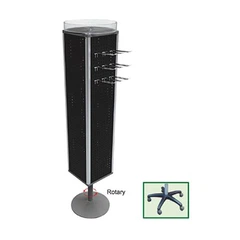
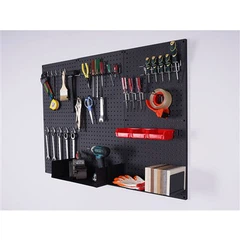
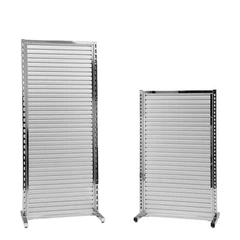
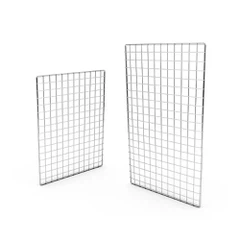
First off, let's quickly cover what mesh panels are. Mesh panels are essentially sheets made up of interwoven or welded wires or bars, creating a grid - like structure. They come in different materials, including stainless steel, carbon steel, aluminum, and even some synthetic materials. These panels are used in a wide range of applications, from fencing and partitions to display fixtures. For instance, Gridwall Hooks and Gridwall Mesh Stand are common display - related uses of mesh panels.
Factors Affecting Heat Resistance
The heat resistance of mesh panels depends on several factors. The most significant one is the material used to make the panel.
Material
- Stainless Steel: Stainless steel mesh panels are known for their excellent heat resistance. They can withstand high temperatures without significant deformation or loss of strength. Different grades of stainless steel have different heat - resistant capabilities. For example, some high - chromium stainless steels can handle temperatures up to 1000°C (1832°F). This makes them suitable for applications in industrial ovens, furnaces, and high - temperature processing environments.
- Carbon Steel: Carbon steel mesh panels are more affordable but have lower heat resistance compared to stainless steel. They start to lose strength and may warp at relatively lower temperatures, usually around 400 - 500°C (752 - 932°F). However, with proper heat - treating processes, their heat resistance can be improved to some extent.
- Aluminum: Aluminum mesh panels are lightweight but have relatively poor heat resistance. They start to soften at around 200 - 300°C (392 - 572°F). So, they are not suitable for high - temperature applications but are great for use in cooler environments, like in some indoor display setups.
Coating
The coating on the mesh panel can also enhance its heat resistance. Some panels are coated with heat - resistant paints or ceramic coatings. These coatings act as a barrier, protecting the base material from direct contact with high - temperature sources. For example, a ceramic coating can reflect a significant amount of heat, reducing the amount of heat transferred to the panel itself.
Mesh Structure
The structure of the mesh, such as the wire diameter and the spacing between the wires, can affect heat resistance. A panel with thicker wires and a denser mesh structure may have better heat - dissipation properties. Thicker wires can conduct heat more effectively, preventing local overheating. On the other hand, a more open mesh structure allows for better air circulation, which can also help in cooling the panel.
Testing Heat Resistance
To determine the heat resistance of a mesh panel, several tests can be conducted.
Thermal Cycling Test
In a thermal cycling test, the panel is subjected to repeated cycles of heating and cooling. The temperature range and the number of cycles are determined based on the intended application. For example, if the panel is going to be used in an industrial oven that cycles between 200°C and 400°C several times a day, the test will simulate these conditions. After the cycles, the panel is inspected for any signs of damage, such as cracks, warping, or loss of strength.
High - Temperature Exposure Test
In this test, the panel is exposed to a constant high temperature for a specific period. The temperature and time are set according to the requirements of the application. For instance, if the panel is for a furnace that operates at 800°C continuously, the panel will be exposed to 800°C for a few hours or even days. Then, its mechanical properties, such as tensile strength and hardness, are measured to see if there has been any degradation.
Applications Based on Heat Resistance
The heat resistance of mesh panels determines their suitability for different applications.


High - Temperature Applications
- Industrial Furnaces: Stainless steel mesh panels with high heat resistance are used in industrial furnaces for various purposes, such as supporting materials during heat treatment, acting as filters to prevent debris from entering certain parts of the furnace, or as part of the ventilation system.
- Exhaust Systems: In automotive and industrial exhaust systems, heat - resistant mesh panels are used to filter out particles and reduce noise. The high - temperature exhaust gases pass through the panel, and the panel must be able to withstand the heat without deteriorating.
Low - Temperature Applications
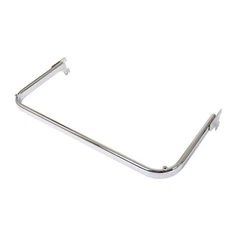
- Indoor Displays: Aluminum or carbon steel mesh panels with lower heat resistance are commonly used in indoor display setups. For example, Modern Double Hook attached to mesh panels can hold products for display in a store. These panels don't need to withstand high temperatures as they are in a relatively cool indoor environment.
Maintenance for Heat - Resistant Mesh Panels
To ensure the long - term performance of heat - resistant mesh panels, proper maintenance is essential.
Cleaning
Regular cleaning is important to remove any dirt, debris, or chemical residues that may accumulate on the panel. These substances can act as insulators, trapping heat and causing local overheating. For stainless steel panels, a mild detergent and water can be used for cleaning. Avoid using abrasive cleaners that may damage the surface or the protective coating.
Inspection
Periodic inspection of the panel is necessary to detect any signs of damage or wear. Look for cracks, rust spots, or any changes in the shape of the panel. If any issues are found, they should be addressed promptly to prevent further damage.
Conclusion
In conclusion, the heat resistance of mesh panels is a complex characteristic that depends on the material, coating, and structure of the panel. Different applications require different levels of heat resistance, and it's crucial to choose the right panel for the job. As a mesh panel supplier, I can help you select the most suitable panel based on your specific needs. Whether you need a high - heat - resistant panel for an industrial furnace or a low - heat - resistant panel for an indoor display, I've got you covered.
If you're interested in purchasing mesh panels or have any questions about their heat resistance or other properties, feel free to reach out. I'm here to assist you in making the best choice for your project. Let's start a conversation and see how we can work together to meet your requirements.
References
- ASM Handbook Volume 2: Properties and Selection: Nonferrous Alloys and Special - Purpose Materials
- Metals Handbook Desk Edition, Third Edition
Send Inquiry