


What is the lighting requirement for a slat wall for display?
Jul 16, 2025
Leave a message
Lighting is a crucial element in enhancing the visual appeal of a slat wall for display. As a supplier of slat walls for display, I understand the significance of proper lighting in showcasing products effectively. In this blog post, I will delve into the lighting requirements for a slat wall for display, exploring various aspects such as the type of lighting, color temperature, intensity, and placement.


Types of Lighting
There are several types of lighting that can be used for a slat wall for display, each with its own advantages and disadvantages. The most common types include:
- LED Lighting: LED lights are energy-efficient, long-lasting, and offer a wide range of color temperatures. They are available in various shapes and sizes, making them suitable for different display applications. LED lights can be used as accent lighting to highlight specific products or as general lighting to illuminate the entire slat wall. [1]
- Fluorescent Lighting: Fluorescent lights are also energy-efficient and provide a uniform distribution of light. They are commonly used in commercial settings due to their low cost and long lifespan. However, fluorescent lights may not offer the same level of color accuracy as LED lights, and they can also produce a flicker that may be distracting. [2]
- Incandescent Lighting: Incandescent lights are the traditional type of lighting that has been used for many years. They produce a warm, inviting light that is suitable for creating a cozy atmosphere. However, incandescent lights are not energy-efficient and have a relatively short lifespan. They also generate a significant amount of heat, which can be a concern in some display applications. [3]
Color Temperature
Color temperature is an important factor to consider when choosing lighting for a slat wall for display. Color temperature is measured in Kelvin (K) and refers to the perceived warmth or coolness of the light. The color temperature of the light can have a significant impact on the way products are perceived by customers.
- Warm White (2700K - 3000K): Warm white light has a yellowish tint and is often used in residential settings to create a cozy and inviting atmosphere. In a display setting, warm white light can be used to highlight products that have a warm or natural color, such as wood or leather. [4]
- Neutral White (3500K - 4000K): Neutral white light has a balanced color temperature that is neither too warm nor too cool. It is commonly used in commercial settings to provide a clean and bright light that is suitable for most display applications. Neutral white light can help to enhance the color accuracy of products and make them appear more vibrant. [5]
- Cool White (5000K - 6500K): Cool white light has a bluish tint and is often used in industrial or retail settings to provide a bright and energetic light. In a display setting, cool white light can be used to highlight products that have a modern or high-tech appearance, such as electronics or appliances. [6]
Intensity
The intensity of the lighting is another important factor to consider when choosing lighting for a slat wall for display. The intensity of the light is measured in lux (lx) and refers to the amount of light that falls on a surface. The intensity of the light can have a significant impact on the visibility and readability of the products on the slat wall.
- General Lighting: General lighting is used to provide a uniform distribution of light across the entire slat wall. The intensity of the general lighting should be sufficient to illuminate the products on the slat wall without creating any shadows or glare. A general lighting intensity of 300 - 500 lux is typically recommended for a slat wall for display. [7]
- Accent Lighting: Accent lighting is used to highlight specific products or areas on the slat wall. The intensity of the accent lighting should be higher than the general lighting to create a focal point and draw the attention of the customers. An accent lighting intensity of 1000 - 2000 lux is typically recommended for a slat wall for display. [8]
Placement
The placement of the lighting is also an important factor to consider when choosing lighting for a slat wall for display. The placement of the lighting can have a significant impact on the way the products are illuminated and the overall visual appeal of the slat wall.
- Above the Slat Wall: Placing the lighting above the slat wall can provide a uniform distribution of light across the entire slat wall. This type of lighting is suitable for general lighting and can help to create a bright and inviting atmosphere. However, placing the lighting above the slat wall can also create shadows on the products, which may be a concern in some display applications. [9]
- Below the Slat Wall: Placing the lighting below the slat wall can provide a soft and diffused light that can help to enhance the texture and depth of the products on the slat wall. This type of lighting is suitable for accent lighting and can help to create a dramatic and eye-catching display. However, placing the lighting below the slat wall can also create a glare on the products, which may be a concern in some display applications. [10]
- Side of the Slat Wall: Placing the lighting on the side of the slat wall can provide a directional light that can help to highlight specific products or areas on the slat wall. This type of lighting is suitable for accent lighting and can help to create a three-dimensional effect. However, placing the lighting on the side of the slat wall can also create shadows on the products, which may be a concern in some display applications. [11]
Conclusion
In conclusion, lighting is a crucial element in enhancing the visual appeal of a slat wall for display. As a supplier of slat walls for display, I recommend using LED lighting for its energy efficiency, long lifespan, and wide range of color temperatures. When choosing the color temperature of the lighting, consider the type of products you are displaying and the atmosphere you want to create. The intensity of the lighting should be sufficient to illuminate the products on the slat wall without creating any shadows or glare. Finally, the placement of the lighting should be carefully considered to ensure that the products are illuminated in the most effective way.
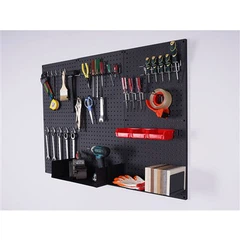
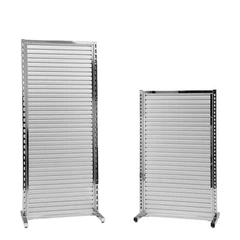
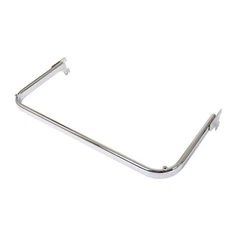
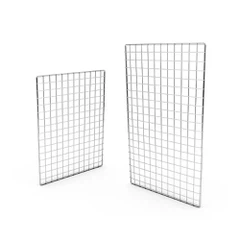
If you are interested in learning more about our Slat Wall System Shelves, Slatwall Hooks with Price Tag Tabs, or Slatwall Clothing Display Bar, or if you have any questions about the lighting requirements for a slat wall for display, please feel free to contact us for a procurement discussion.
References
[1] "LED Lighting: The Future of Lighting," Energy.gov, accessed [date].
[2] "Fluorescent Lighting: A Guide," Lighting Design Lab, accessed [date].
[3] "Incandescent Lighting: The Traditional Choice," Lighting Research Center, accessed [date].
[4] "Color Temperature: Understanding the Basics," Lighting Science Group, accessed [date].
[5] "Neutral White Lighting: The Ideal Choice," Lumens.com, accessed [date].
[6] "Cool White Lighting: The Modern Look," Lighting World, accessed [date].
[7] "Lighting Levels for Retail Displays," Retail Design Institute, accessed [date].
[8] "Accent Lighting: Creating a Focal Point," Architectural Digest, accessed [date].
[9] "Lighting Placement: Above the Display," Display & Design Ideas, accessed [date].
[10] "Lighting Placement: Below the Display," Visual Merchandising and Store Design, accessed [date].
[11] "Lighting Placement: Side of the Display," Storefront Backtalk, accessed [date].
Send Inquiry