



Can Wall Channels be used for cable routing in an office?
Oct 17, 2025
Leave a message
Hey there! As a supplier of Wall Channels, I often get asked whether wall channels can be used for cable routing in an office. Well, let's dive right into this topic and find out.
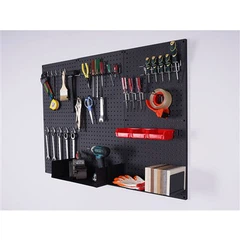
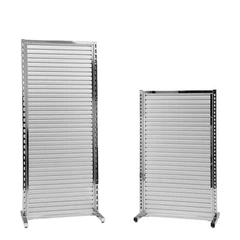
First off, what exactly are Wall Channels? You can check out more details about them Wall Channel. Wall channels are essentially long, narrow structures that can be mounted on walls. They come in various sizes and materials, and they've traditionally been used for things like hanging shelves, displays, and other fixtures. But can they be repurposed for cable routing in an office setting? The answer is a big yes!
One of the main advantages of using wall channels for cable routing is organization. In an office, there are usually a ton of cables - power cords, Ethernet cables, HDMI cables, you name it. These cables can quickly turn into a tangled mess, which not only looks bad but can also be a safety hazard. By using wall channels, you can neatly bundle and route these cables along the walls. This makes it easier to identify and access specific cables when needed. For example, if you need to troubleshoot a network issue, having the Ethernet cables neatly tucked away in a wall channel means you can quickly trace the cable from the computer to the router without having to dig through a jumbled mess.
Another benefit is aesthetics. Let's face it; a bunch of exposed cables running across the floor or hanging from desks doesn't exactly make for a professional-looking office. Wall channels can hide these cables, giving your office a clean and tidy appearance. This is especially important if your office has a lot of foot traffic or if you often have clients visiting. A well-organized and aesthetically pleasing office can leave a great impression on them.
Wall channels also offer protection for the cables. They can shield the cables from physical damage, such as being stepped on or accidentally pulled. This can extend the lifespan of the cables and reduce the need for frequent replacements. Additionally, some wall channels are made of materials that provide some level of fire resistance, which can enhance the safety of your office environment.
Now, let's talk about the installation process. Installing wall channels for cable routing is relatively straightforward. You'll need to measure the length of the wall where you want to route the cables and then cut the wall channel to the appropriate length. Most wall channels come with pre-drilled holes or mounting brackets, which makes it easy to attach them to the wall. You can use screws or adhesive to secure the wall channel in place. Once the channel is installed, you can simply feed the cables into the channel and secure them with cable ties or clips.
When choosing a wall channel for cable routing, there are a few things to consider. First, you need to make sure the channel is wide enough to accommodate all the cables you want to route. You also want to choose a channel that is made of a durable material, such as metal or high-quality plastic. Metal channels are generally more robust and can handle heavier cable loads, while plastic channels are often more lightweight and easier to install.
In addition to Wall Channels, there are other related products that can be useful in an office cable routing setup. For instance, Slotted Wall Standards can be used in conjunction with wall channels. These standards provide a sturdy framework for mounting the wall channels and can also be used to support other equipment or fixtures. And if you're looking for a way to display products or signage in your office, Retail Display Rails can be a great addition. They can be installed alongside the wall channels, allowing you to create a multi-functional wall system.


However, there are a few potential drawbacks to using wall channels for cable routing. One is that they can add some cost to your office setup. Depending on the size and material of the wall channel, the cost can vary. But in my opinion, the benefits of organization, aesthetics, and cable protection outweigh the cost. Another potential issue is that if you need to make changes to the cable routing in the future, you may need to remove and reinstall the wall channel. This can be a bit time-consuming, but it's still a relatively minor inconvenience compared to dealing with a mess of exposed cables.
In conclusion, Wall Channels are a great option for cable routing in an office. They offer numerous benefits, including organization, aesthetics, and cable protection. The installation process is relatively easy, and there are related products available that can enhance the functionality of your cable routing setup. If you're looking to improve the organization and appearance of your office's cable management, I highly recommend considering Wall Channels.
If you're interested in purchasing Wall Channels or learning more about how they can be used for cable routing in your office, don't hesitate to reach out. We're here to help you find the right solution for your specific needs. Whether you have a small office with just a few cables or a large corporate office with a complex network of cables, we can provide you with the appropriate Wall Channels and offer guidance on the installation process.
References
- General knowledge about cable management in office settings.
- Industry experience as a Wall Channel supplier.
Send Inquiry