


How to place modern furniture in a room to balance the visual weight?
Jun 27, 2025
Leave a message
Hey there! As a modern furniture supplier, I've seen firsthand how the right placement of modern furniture can transform a room. Balancing the visual weight in a room is crucial for creating a harmonious and inviting space. In this blog, I'll share some tips on how to place modern furniture in a room to achieve that perfect balance.
Understanding Visual Weight
Before we dive into placement, let's talk about visual weight. Visual weight refers to how heavy or light an object appears in a room. It's not about the actual physical weight but rather how the eye perceives it. Factors like size, color, texture, and shape all contribute to an object's visual weight.


For example, a large, dark-colored sofa will have more visual weight than a small, light-colored side table. Similarly, a piece of furniture with a lot of detailed texture will appear heavier than a smooth, minimalist one. Understanding visual weight is the first step in creating a balanced room.
Start with the Big Pieces
When placing modern furniture, it's best to start with the largest pieces first. These are usually the sofa, coffee table, and entertainment center. These big pieces anchor the room and set the tone for the rest of the furniture placement.
Let's say you have a spacious living room. Place the sofa against a wall or in the center of the room, depending on the layout. If you have a fireplace, positioning the sofa in front of it can create a focal point. Then, place the coffee table in front of the sofa at a comfortable distance for reaching. You can check out our Mill C Table for a stylish and modern option.
Create Balance with Symmetry or Asymmetry
There are two main ways to balance visual weight in a room: symmetry and asymmetry. Symmetry involves placing identical or similar furniture on either side of a central point. This creates a sense of order and stability. For example, you can place two matching armchairs on either side of the fireplace or a pair of end tables next to the sofa.
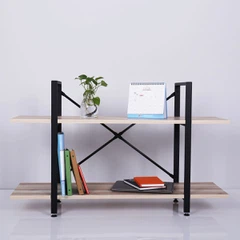
On the other hand, asymmetry uses different furniture pieces to create balance. This can be more dynamic and interesting. You might place a large bookshelf on one side of the room and a tall plant on the other. The key is to make sure that the visual weight on both sides of the room is roughly equal.
Use Furniture to Define Zones
In an open-concept space, furniture can be used to define different zones. For instance, in a living room that's also connected to the dining area, you can use a sofa or a room divider to separate the two spaces. This not only creates a sense of privacy but also helps to balance the visual weight in the room.
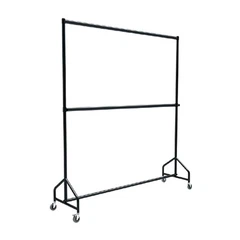
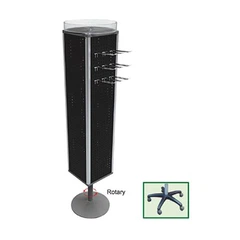
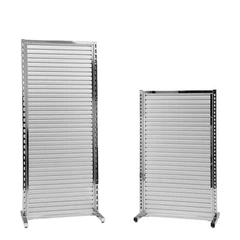
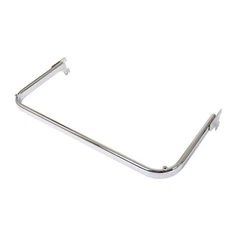
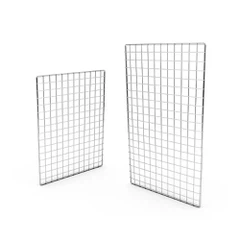
If you're in the retail business, you can use furniture like our Retail Garment Display Rack to define different product areas in your store. And for displaying smaller items, our Gridwall Mesh Stand can be a great option.
Pay Attention to Negative Space
Negative space, or the empty space in a room, is just as important as the furniture itself. It gives the eyes a place to rest and helps to balance the visual weight. Don't overcrowd the room with too much furniture. Leave some open areas between pieces to create a sense of flow and airiness.
For example, in a bedroom, you might have a bed, a nightstand, and a dresser. Instead of filling every corner with more furniture, leave some space around the bed for easy movement. This will make the room feel more spacious and balanced.
Consider the Height of Furniture
The height of furniture also plays a role in visual weight. Tall furniture pieces can add vertical interest to a room but can also make a space feel top-heavy if not balanced properly. Mixing different heights of furniture can create a more dynamic and balanced look.
In a living room, you might have a tall bookshelf on one side and a low coffee table in the center. This combination of heights adds visual variety and helps to distribute the visual weight evenly.
Play with Colors and Textures
Colors and textures can also affect visual weight. Dark colors tend to have more visual weight than light colors, and textured surfaces can make an object appear heavier. Use these elements strategically to balance the room.
For example, if you have a light-colored sofa, you can add some dark-colored throw pillows or a textured rug to add some visual weight. Conversely, if you have a dark wall, you can balance it with light-colored furniture.
Conclusion
Balancing the visual weight of modern furniture in a room is all about creating a harmonious and inviting space. By understanding the principles of visual weight, starting with the big pieces, using symmetry or asymmetry, defining zones, paying attention to negative space, considering height, and playing with colors and textures, you can achieve a well-balanced room.
If you're interested in purchasing modern furniture for your home or business, I'd love to chat with you. Whether you're looking for a statement piece or a complete furniture set, we have a wide range of options to suit your needs. Contact us to start the procurement negotiation process, and let's create the perfect space together!
References
- Interior Design: Principles and Practice by Francis D. K. Ching
- The Decorating Bible by Joanna and William Gowing
Send Inquiry