


What materials are commonly used for store display stands?
Jun 26, 2025
Leave a message
When it comes to setting up an eye - catching store display, choosing the right materials for your display stands is super important. As a store display stands supplier, I've seen firsthand how different materials can make or break a display. So, let's dive into the commonly used materials for store display stands.
Wood
Wood is a classic choice for store display stands, and it's not hard to see why. It has a warm, natural look that can add a touch of elegance to any store. Whether you're running a high - end boutique or a cozy bookstore, wooden display stands can fit right in.
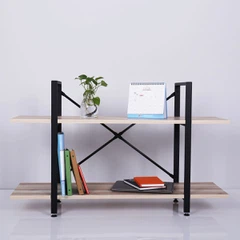
One of the great things about wood is its versatility. You can stain it to match your store's color scheme, or leave it in its natural state for a rustic feel. For example, a simple, untreated wooden Floor Display Stands can look amazing in a plant store, giving a natural and earthy vibe. And if you want something more polished, a stained and varnished wooden stand can be perfect for a jewelry store, enhancing the luxurious look of the products.
However, wood does have its drawbacks. It can be relatively heavy, which might be a problem if you need to move your displays around often. Also, it's more prone to damage from moisture and pests compared to some other materials. But with proper care and maintenance, wooden display stands can last for a long time.
Metal
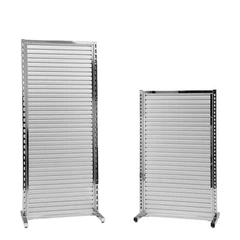
Metal is another popular material for store display stands. It's known for its strength and durability, making it a great option for heavy - duty displays. Steel and aluminum are two of the most commonly used metals.
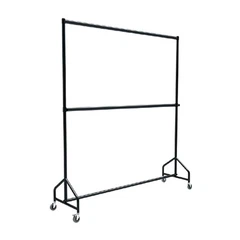
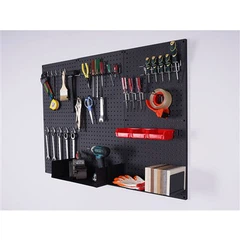
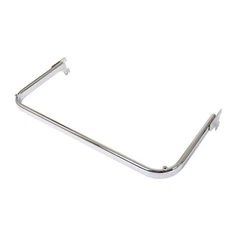
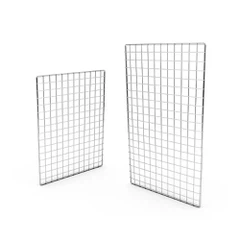
Steel is incredibly strong and can support a large amount of weight. It's often used for industrial - style displays or for showing large and heavy items like power tools in a hardware store. You can also find steel display stands with a variety of finishes, such as chrome or powder - coating, to give them a modern and sleek look.
Aluminum, on the other hand, is lightweight but still quite strong. It's resistant to corrosion, which makes it suitable for both indoor and outdoor use. For instance, an aluminum Small Bag Stand can be placed near the entrance of a store, and it won't rust even if it gets a little wet. Metal display stands can be easily customized into different shapes and sizes, allowing you to create unique and eye - catching displays.
But metal can be a bit cold and industrial - looking on its own. Sometimes, you might need to add some other elements, like wood or fabric accents, to make it more inviting.
Plastic
Plastic has become a go - to material for many store display stands, especially for budget - friendly options. It's lightweight, easy to clean, and comes in a wide range of colors and styles.
Acrylic is a type of plastic that is often used for high - end displays. It has a clear, glass - like appearance, which can make products look more visible and appealing. For example, an acrylic Catalogue Holder Stands can neatly hold product catalogs in a store, allowing customers to easily browse through them.
PVC (polyvinyl chloride) is another common plastic used for display stands. It's more affordable and can be molded into various shapes. You can find PVC display stands in the form of simple shelves or complex multi - tiered structures. The downside of plastic is that it might not be as durable as wood or metal in the long run, and it can scratch or crack more easily.
Glass
Glass is a premium material that can give a store display a very sophisticated and high - end look. It's transparent, which means it won't block the view of the products, making them fully visible to customers.
Tempered glass is often used for display stands because it's stronger and safer than regular glass. It can withstand more impact without shattering, which is important in a busy store environment. You can use glass display stands to showcase delicate items like perfume bottles or collectibles.
However, glass is heavy, expensive, and requires careful handling. It can also be a bit of a fingerprint magnet, so you'll need to clean it regularly to keep it looking its best.
Fabric
Fabric might not be the first material that comes to mind when you think of store display stands, but it can be a great addition. It can add softness, texture, and color to a display.
Velvet is a popular fabric for display stands, especially in luxury stores. It has a plush and elegant look that can make products like jewelry or high - end watches stand out. You can use velvet - covered display trays or stands to create a more intimate and upscale shopping experience.
Canvas is another fabric option. It's more durable and can be used for a more casual or industrial - style display. For example, a canvas - wrapped display stand can be used in a vintage store to show off old - fashioned clothing or accessories.


Combination of Materials
In many cases, the best store display stands are made by combining different materials. For example, a wooden frame with a glass top can give you the warmth of wood and the transparency of glass. Or a metal stand with fabric accents can add a touch of softness to the otherwise hard - edged metal.
Combining materials allows you to take advantage of the strengths of each material while minimizing their weaknesses. You can create a display that is both functional and aesthetically pleasing.
As a store display stands supplier, I understand that every store has its unique needs and style. That's why we offer a wide range of display stands made from different materials. Whether you're looking for a classic wooden stand, a modern metal one, or something more creative with a combination of materials, we've got you covered.
If you're in the process of setting up or updating your store displays, I'd love to have a chat with you. We can discuss your specific requirements, budget, and design ideas. Feel free to reach out to us to start the conversation about your perfect store display stands.
References
- "Retail Store Design: Creating an Inviting and Profitable Space" by Victor Gerstel
- "The Visual Merchandising Handbook" by Patricia B. Milner
Send Inquiry